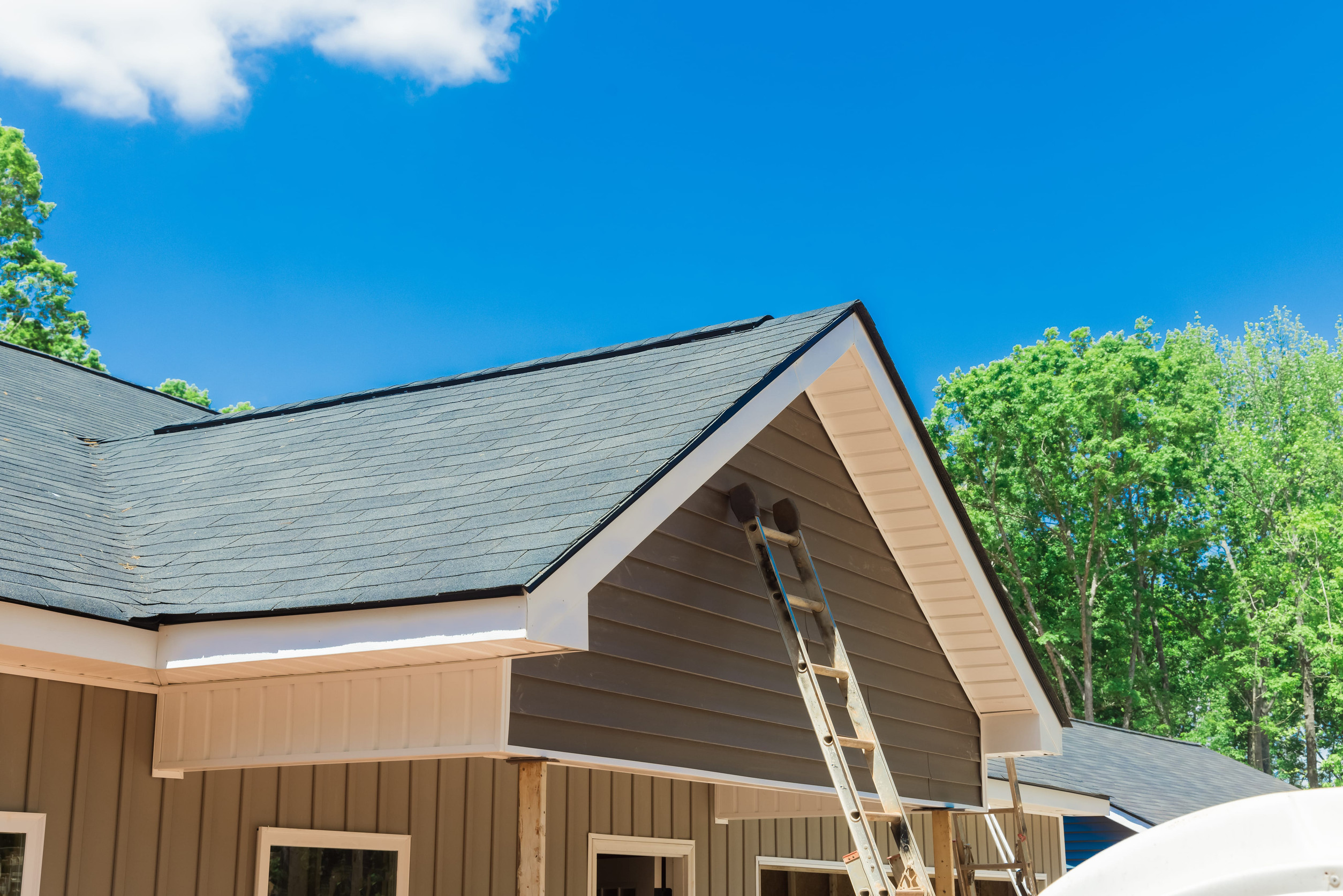
Choosing a new roof is one of the biggest decisions homeowners make during a roof replacement project. While durability, warranty coverage, and material selection often receive most of the attention, roof color can have a surprisingly significant impact on a home's appearance, energy efficiency, and resale value.
A roof can account for up to 40% of a home's visible exterior. The color you choose influences curb appeal, affects how heat is absorbed or reflected, and can even shape a buyer's first impression when it comes time to sell.
As we move through 2026, homeowners are paying closer attention than ever to the relationship between roof color, home design trends, energy performance, and long-term property value. The most popular roof colors today are not only attractive but also versatile, energy-conscious, and appealing to future buyers.
For homeowners throughout East Tennessee and beyond, selecting the right roof color requires balancing style preferences with practical considerations such as climate, neighborhood aesthetics, architectural design, and resale goals.
Why Roof Color Matters More Than Many Homeowners Realize
When people think about curb appeal, they often focus on landscaping, siding, front doors, or exterior paint. However, the roof is one of the largest visual elements of the entire property.
The right roof color can:
- Enhance architectural features
- Increase curb appeal
- Improve overall design balance
- Complement exterior materials
- Boost perceived home value
- Appeal to potential buyers
- Improve energy efficiency
The wrong color can have the opposite effect, making a home appear dated, unbalanced, or less attractive. Because roof replacements typically last decades, color selection is a decision homeowners will live with for many years.
The Connection Between Roof Color and Home Value
While roof color alone does not determine a home's value, it contributes significantly to buyer perception. Real estate professionals consistently note that homes with cohesive, attractive exterior designs tend to generate stronger interest and sell more quickly.
Potential buyers often evaluate a property emotionally before they analyze it financially. A visually appealing roof helps create a positive first impression and reinforces the appearance of a well-maintained home. In competitive housing markets, subtle improvements in curb appeal can make a meaningful difference.
Roof Color Trends in 2026
The roofing industry has seen several shifts in color preferences over recent years. Homeowners are increasingly moving away from highly specialized colors and choosing shades that offer broad appeal, timelessness, and flexibility.
The most popular roof color trends in 2026 include:
- Charcoal gray
- Weathered wood
- Black
- Driftwood
- Pewter gray
- Slate-inspired blends
- Earth-tone browns
- Architectural multi-tone shingles
These colors complement a wide range of home styles while remaining attractive to future buyers.
Charcoal Gray: The Modern Favorite
Charcoal gray continues to dominate roofing trends in 2026. This versatile color works exceptionally well with white siding, brick homes, stone exteriors, modern farmhouse designs, and contemporary architecture.
Benefits of charcoal gray include a sophisticated appearance, strong contrast, broad buyer appeal, and a timeless aesthetic that offers excellent compatibility with many exterior colors. For many homeowners, charcoal gray offers the safest combination of style and resale value.
Weathered Wood: A Timeless Choice
Weathered wood remains one of the most popular asphalt shingle colors across the United States. The blend of browns, grays, and subtle earth tones creates visual depth and versatility.
Homeowners often choose weathered wood because it matches numerous exterior finishes, ages gracefully, conceals dirt effectively, and works well in traditional neighborhoods. This color remains especially popular throughout East Tennessee due to its compatibility with natural surroundings and wooded landscapes.
Black Roofing: Bold and Elegant
Black roofs have become increasingly popular among homeowners seeking a dramatic and upscale appearance. Black roofing pairs particularly well with white homes, light-colored brick, modern designs, and contemporary farmhouse architecture.
Advantages include a strong visual impact, a luxury appearance, clean lines, and high-end curb appeal. However, homeowners should carefully consider climate implications since darker roofing materials absorb more solar heat.
Pewter Gray and Slate-Inspired Colors
Pewter gray and slate-inspired roofing systems continue gaining popularity because they provide a premium appearance without appearing overly trendy. These colors offer sophisticated aesthetics, strong resale appeal, architectural versatility, and timeless design. Slate-inspired colors often mimic the look of natural stone roofing while maintaining the affordability of asphalt shingles.
Earth-Tone Roofing Colors
Brown, taupe, and earth-tone roofing colors remain strong choices for homes with natural stone accents, wood siding, rustic architecture, and traditional designs. Earth tones blend naturally with landscaping and can create a warm, welcoming appearance. These colors are particularly attractive in East Tennessee communities where natural scenery plays a significant role in curb appeal.
Multi-Dimensional Architectural Colors
Modern architectural shingles often feature multiple shades blended together. Rather than appearing as a single solid color, these shingles incorporate varying tones that add depth and texture.
Benefits include greater visual interest, enhanced curb appeal, better imitation of premium roofing materials, and improved compatibility with diverse exterior finishes. Many roofing experts recommend dimensional colors because they tend to age more gracefully than flat, uniform shades.
How Roof Color Affects Heat Absorption
One of the most practical considerations when selecting a roof color is heat performance. Darker colors generally absorb more solar energy, while lighter colors typically reflect more sunlight.
This can influence:
- Attic temperatures
- Indoor comfort
- Energy efficiency
- Cooling costs
The difference may be particularly noticeable during hot summer months.
Light-Colored Roofs and Energy Efficiency
Light-colored roofing options may include light gray, beige, light brown, and specialized cool roofing products. Advantages include greater solar reflectivity, reduced heat absorption, lower attic temperatures, and potential cooling cost savings. In warmer climates, lighter roofing colors may contribute to improved energy performance.
Dark-Colored Roofs and Performance
Despite absorbing more heat, dark roofs remain extremely popular. Benefits include enhanced curb appeal, strong architectural contrast, snow-melting advantages in colder climates, and a rich visual appearance. In many cases, modern ventilation systems help minimize temperature differences associated with darker roofing colors.
East Tennessee Climate Considerations
Homeowners in East Tennessee should consider local weather conditions when choosing a roof color. The region experiences hot summers, humid conditions, heavy rainfall, and seasonal temperature changes.
For many East Tennessee homes, medium-tone roofing colors strike an ideal balance between aesthetics and energy performance. Popular regional choices include weathered wood, charcoal gray, driftwood, and pewter gray. These colors provide strong curb appeal while remaining practical for local conditions.
When planning your installation around regional weather shifts, knowing the best time of year to replace a roof can help you maximize performance and line up optimal pricing.
Matching Roof Color to Exterior Materials
A roof should complement—not compete with—the home's exterior.
- White Homes: Recommended colors include black, charcoal gray, slate gray, and weathered wood. These combinations create a crisp, attractive contrast.
- Brick Homes: Recommended colors include charcoal gray, brown blends, weathered wood, and black. The goal is to harmonize with the brick's natural tones.
- Stone Homes: Recommended colors include gray blends, earth tones, and slate-inspired shades. These options reinforce the home's natural appearance.
- Beige or Tan Siding: Recommended colors include brown blends, weathered wood, driftwood, and charcoal gray. These combinations maintain balance and visual cohesion.
Roof Colors That Appeal to Buyers
If resale is a priority, neutral colors generally provide the strongest return. Most buyers prefer roofing colors that match various design styles, require minimal exterior changes, look timeless, and enhance curb appeal.
The safest resale choices in 2026 include:
- Charcoal gray
- Weathered wood
- Pewter gray
- Driftwood
- Black
These colors appeal to the widest audience. Highly customized roofing colors—such as bright red, green, blue, orange, or unusual designer colors—can sometimes narrow the buyer pool. While these choices may suit specific architectural styles, they often create challenges when selling because buyer preferences vary significantly. Neutral colors tend to maintain broader appeal.
HOA and Neighborhood Considerations
Before selecting a roof color, homeowners should review any applicable homeowners association requirements. Some communities regulate approved roofing colors, roofing materials, architectural styles, and overall design standards. Even without HOA restrictions, evaluating nearby homes can help ensure your roof complements the overall neighborhood aesthetic.
The Importance of Viewing Samples Outdoors
Roof colors often appear dramatically different outdoors than they do in brochures or showrooms. Factors affecting appearance include sunlight, cloud cover, surrounding landscaping, exterior paint colors, and roof pitch.
Always review large samples in natural lighting before making a final decision. You can also browse a completed project gallery to see real-world examples of how popular color profiles translate onto actual homes.
Balancing Personal Preference and Resale Value
A roof replacement is a significant investment, and homeowners should choose a color they genuinely enjoy. However, if selling within the next several years is a possibility, balancing personal taste with market appeal is wise.
The best roofing color is often one that complements the home's architecture, performs well in the local climate, appeals to future buyers, enhances curb appeal, and remains stylish over time.
The Role of Professional Guidance
Roof color selection can feel overwhelming due to the number of available options. Experienced roofing professionals can help homeowners evaluate exterior color combinations, architectural style compatibility, neighborhood trends, resale considerations, and material-specific color options.
Professional insight often prevents costly mistakes and improves long-term satisfaction. Before moving forward with any local contractor, cross-referencing your choices against a reliable roofing company checklist ensures that your installer holds the proper licensing, insurance, and verified track record to deliver a flawless result.
Final Thoughts
The best roof colors for curb appeal in 2026 combine timeless style, practical performance, and broad buyer appeal. While personal preference plays an important role, homeowners should also consider energy efficiency, neighborhood aesthetics, architectural design, and resale potential when selecting a roofing color.
For many homeowners, shades such as charcoal gray, weathered wood, pewter gray, driftwood, and black continue to provide the strongest combination of beauty, versatility, and market appeal. These colors complement a wide variety of home styles while maintaining relevance across changing design trends.
In East Tennessee, where climate conditions, natural scenery, and curb appeal all influence property value, selecting the right roof color can significantly enhance both the appearance and long-term performance of a home. By carefully evaluating style, heat absorption, and resale considerations, homeowners can choose a roof color that delivers value and satisfaction for decades to come.
More Articles

Questions to Ask a Roofer: 20 Must Ask Items Before Signing Today

How to Compare Roofing Quotes: Apples to Apples Price Guide Today

Drip Edge Installation: Why Code Requires It in Many Areas Today in East TN

Best Roof Sealants for Leaks: Which Products Actually Last Today