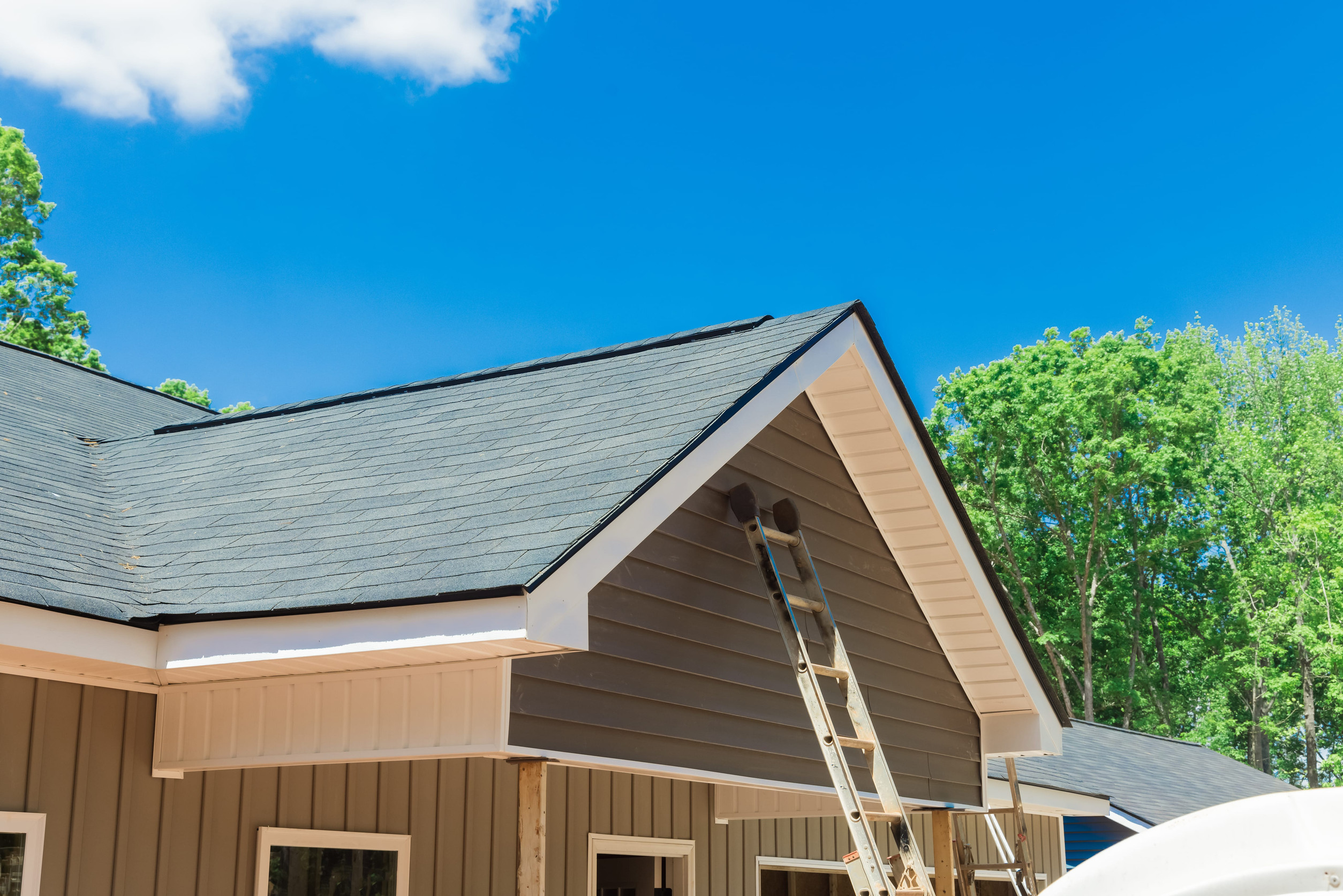
Replacing or repairing a roof is one of the largest single investments you will make as a homeowner. A typical residential roof installation can range from thousands to tens of thousands of dollars, making it a critical project for protecting your home structure, interior drywall, and overall property value.
Unfortunately, the residential roofing industry carries a reputation for high sales pressure, vague estimates, and transient out-of-town contractors who disappear as soon as the final payment check clears. Signing a contract with an unqualified or unbonded installer can leave you with unaddressed leaks, voided manufacturer warranties, and zero legal recourse when problems arise.
To safeguard your home and financial investment, you must take control of the interview process before handing over a deposit. This guide provides 20 essential questions you must ask every prospective roofing contractor, complete with clear explanations of what their answers mean and red flags to watch for today.
1. Licensing, Insurance, and Business Integrity
Before discussing shingle colors or project timelines, you must verify that the contractor operates legally, carries adequate insurance coverage, and possesses an established physical presence in your local community.
Question 1: Are you licensed to perform roofing work in this state and municipality?
A valid license proves that the contractor meets state standards, understands local building codes, and holds the legal authority to pull permits. Ask for their license number and verify it directly on your state licensing board website. Never accept a contractor who operates under a friend's or relative's license number.
Question 2: Do you carry both General Liability and Workers' Compensation insurance?
If an uninsured technician falls off your roof or accidentally drops a heavy bundle through your skylight, your personal homeowners insurance policy could be sued for medical bills or structural damages. Demand an official Certificate of Insurance sent directly from their insurance agency to your email address, listing you as the certificate holder. General liability coverage should be at least $1,000,000, and workers' compensation must cover every worker stepping onto your property.
Question 3: What is the physical address of your business office?
Storm chasers travel from region to region following hail and hurricane paths, operating out of pickup trucks and temporary hotel rooms. Once the storm season ends, they leave the area, leaving homeowners stranded with failing patches. Insist on a physical office or local warehouse address within your region, and verify the location using online satellite maps to ensure it is an actual commercial property rather than a post office box or empty residential lot.
Question 4: How many years have you been operating under your current business name?
Dishonest contractors frequently go out of business to escape unpaid bills, bad consumer reviews, or legal judgments, only to reopen weeks later under a slightly modified business name. Look for a contractor with at least 5 to 10 years of continuous operation under the exact same corporate name. Long-standing local companies value their community reputation and are far more likely to honor long-term workmanship guarantees.
2. Estimating and Proposal Transparency
A vague proposal that lists a single lump-sum cost without itemized line items is a recipe for surprise change orders once your original roof is torn off. Every transparent proposal should clearly outline material specifications, labor charges, decking replacement rates, flashing mechanics, and warranty terms.
Question 5: Will you provide a fully itemized proposal breaking down materials, labor, and disposal fees?
A lump-sum bid allows contractors to swap out premium materials for cheaper alternatives during installation without your knowledge. Demand a line-by-line itemized quote that explicitly names shingle brands, underlayment types, flashing materials, and cleanup fees. Reviewing our comprehensive guide on how to compare roofing quotes line by line will help you identify missing components and spot hidden contractor markups.
Question 6: What is your exact per-sheet replacement price for rotted roof decking?
Contractors often discover water-damaged, rotted plywood or OSB decking after stripping away old shingles. Unscrupulous installers use this opportunity to hit homeowners with exorbitant per-sheet decking replacement fees mid-project. The contract should clearly state a fixed cost per sheet (typically $80 to $120 per sheet, including labor and materials) for replacing rotted wood sheathing.
Question 7: Will you handle the local building permit and schedule required municipal inspections?
Building permits are legally required for roof replacements in almost every jurisdiction. If a contractor asks you to pull the permit yourself, it often means they are unlicensed or owe unpaid fines to the local building department. The contractor must explicitly agree in writing to pull all necessary permits, pay the permit fees, and coordinate the final municipal building code inspection.
3. Scope of Work and Technical Mechanics
Understanding the exact physical process the crew will follow on your roof ensures that no crucial water barriers or code requirements are skipped along perimeter margins and roof transitions.
Question 8: Do you strip the old roof down to bare wood, or do you install a shingle overlay?
Installing new shingles over an old layer (an overlay) traps heat, hides rotted plywood beneath, and voids most manufacturer lifetime warranties. Insist on a complete tear-off down to the bare wooden decking. A complete tear-off is the only way to inspect the structural deck and install new, code-compliant underlayments.
Question 9: Will you install new D-style drip edge flashing along all eaves and gables?
Drip edge is a metal flashing that prevents water from curling back under shingles, soaking the wooden fascia, and rotting your roof deck margins. Building codes in most jurisdictions legally require it. The quote must include new, code-compliant D-style drip edge. Never permit a contractor to re-use old, bent aluminum drip edge.
Question 10: Will you replace all chimney, wall, and pipe boot flashings with new metal?
Re-using old, rusted counter flashing or applying a tube of cheap caulk around old plumbing pipe boots is the leading cause of premature roof leaks on newly shingled homes. The proposal must specify new custom-bent metal step flashing along walls, cut reglet counter flashing on brick chimneys, and high-performance neoprene or silicone pipe boot collars.
Question 11: What type of underlayment will be installed across the roof deck?
Traditional 15 lb organic felt paper tears easily during installation and degrades over time when exposed to moisture. Modern synthetic underlayments offer superior tear strength, high UV resistance, and far better water barrier protection than organic felt.
Question 12: Where and how much self-adhering ice and water shield will be installed?
Ice dams and wind-driven rain push water up underneath shingles. Self-adhering ice and water shield seals around nail penetrations to stop pooling water from reaching interior ceiling drywall. The contractor should install ice and water shield along all eaves (extending at least 24 inches inside the warm exterior wall line), throughout all roof valleys, around skylights, and surrounding chimney bases.
4. Materials, Warranties, and Factory Certification
The length and validity of your roof warranty depend heavily on the contractor's standing with shingle manufacturers.
Question 13: Are you a factory-certified installer for the shingle manufacturer you are recommending?
Top shingle manufacturers (such as GAF, Owens Corning, or CertainTeed) only grant factory certification to contractors who maintain high insurance standards, positive customer ratings, and ongoing technical training. Working with a certified installer enables you to register for extended, non-prorated factory warranties that cover both material defects and contractor labor for decades.
Question 14: What is the difference between the manufacturer warranty and your workmanship warranty?
If a contractor installs shingles incorrectly, the shingle manufacturer will deny your warranty claim, leaving you caught between the manufacturer and the installer. Get a written copy of both the manufacturer material warranty and the contractor's written workmanship warranty detailing specific years of coverage and clear claim procedures.
5. Jobsite Safety, Supervision, and Property Protection
Roof replacement is heavy, chaotic construction work. A typical project involves removing thousands of pounds of old shingles and driving thousands of roofing nails. A professional crew will protect air conditioning units with plywood, drape heavy canvas tarps over bushes, run magnetic sweepers across the yard, and maintain continuous on-site supervision.
Question 15: Who will be the designated on-site project manager during installation day?
Many roofing sales reps disappear as soon as you sign the contract, leaving an unguided crew on your roof without clear communication or supervision. Demand the name and direct cell phone number of the dedicated on-site project manager who will remain on your property throughout the installation process.
Question 16: How will you protect my landscaping, driveway, and air conditioning units from falling debris?
Falling bundle scrap, old shingles, and stray nails can crush flowerbeds, dent expensive external HVAC compressors, and crack concrete driveways. The contractor must detail their property protection plan, including laying plywood over HVAC units, draping heavy tarps over plants, and placing protective boards beneath heavy dumpster wheels.
Question 17: What is your process for clearing stray roofing nails from my yard and driveway?
Stray roofing nails left in grass or gravel driveways cause flat tires and pose safety hazards for children and pets. The crew must perform multiple passes across the entire lawn, flowerbeds, and driveway using industrial-grade rolling magnetic sweepers before leaving the site.
6. Payment Terms and Project Completion
How a contractor structures their payment schedule speaks volumes about their financial stability and professional ethics. Safe payment terms involve a small initial deposit (typically 10% to 30%), followed by payments tied to material delivery and final inspection approval. Demanding 50% or more upfront in cash is a major warning sign.
Question 18: What is your required deposit and payment schedule?
Asking for 50% or more upfront in cash is a massive red flag. Dishonest operators take large deposits and delay projects for months or vanish entirely. A reputable contractor rarely asks for more than 10% to 30% down before materials arrive on your driveway. The remaining balance should only be due after all work is complete, inspected, and approved.
Question 19: Will you provide a Lien Waiver upon final payment?
If a roofing contractor fails to pay their material supply house or secondary labor sub-contractors, those suppliers can legally place a mechanics lien on your house, forcing you to pay twice for the same materials. The contract should state that a signed Lien Waiver will be executed and delivered to you immediately upon receipt of your final payment.
Question 20: What happens if inclement weather occurs mid-project while my roof is stripped?
Sudden afternoon rainstorms can quickly cause thousands of dollars in interior water damage if your roof deck is left exposed and unprotected. The crew must have heavy-duty, waterproof reinforced tarps on site at all times, with a clear weather emergency protocol to secure the structure within minutes.
Complete Summary Checklist for Homeowners
To keep your interview process organized, print or save this summary checklist to review with every contractor who steps onto your property:
- State & Municipal License Number verified
- Certificates of Insurance (Liability & Workers Comp) delivered
- Local physical office address verified
- 5+ years of continuous operating history under current name
- Fully itemized bid with specific material brands
- Fixed per-sheet plywood decking replacement rate
- Contractor pulls permits and schedules building inspections
- Complete tear-off down to bare wood deck included
- New D-style drip edge flashing specified
- All new metal wall, chimney, and pipe boot flashing included
- High-performance synthetic underlayment specified
- Self-adhering ice & water shield in valleys and eaves
- Factory-certified installer credentials verified
- Clear written workmanship vs. material warranty terms
- Designated on-site manager assigned
- Landscaping, driveway, and HVAC protection plan in place
- Multiple magnetic yard sweep passes guaranteed
- Safe payment schedule (10-30% down maximum)
- Signed Lien Waiver provided upon final payment
- Weather emergency tarping protocol confirmed
For homeowners planning a complete exterior renovation, exploring modern residential roof replacement solutions ensures your home receives certified installation craftsmanship.
To evaluate attic ventilation and verify that moisture will not compromise your new roofing materials, schedule a comprehensive attic inspection prior to signing a contract.
Partner with Regional Exterior Specialists
Asking the right questions before signing a roofing proposal protects your home, your family, and your budget from costly installation errors and dishonest contractor practices.
At The Roof Resource of East TN, we welcome tough questions. We provide complete pricing transparency, certified installation craftsmanship, full insurance documentation, and itemized quotes across every project.
Are you getting ready to replace your roof or reviewing contractor proposals? Contact our expert team today to schedule a thorough inspection and receive an itemized quote.
More Articles
Questions to Ask a Roofer: 20 Must Ask Items Before Signing Today
How to Compare Roofing Quotes: Apples to Apples Price Guide Today

Drip Edge Installation: Why Code Requires It in Many Areas Today in East TN

Best Roof Sealants for Leaks: Which Products Actually Last Today