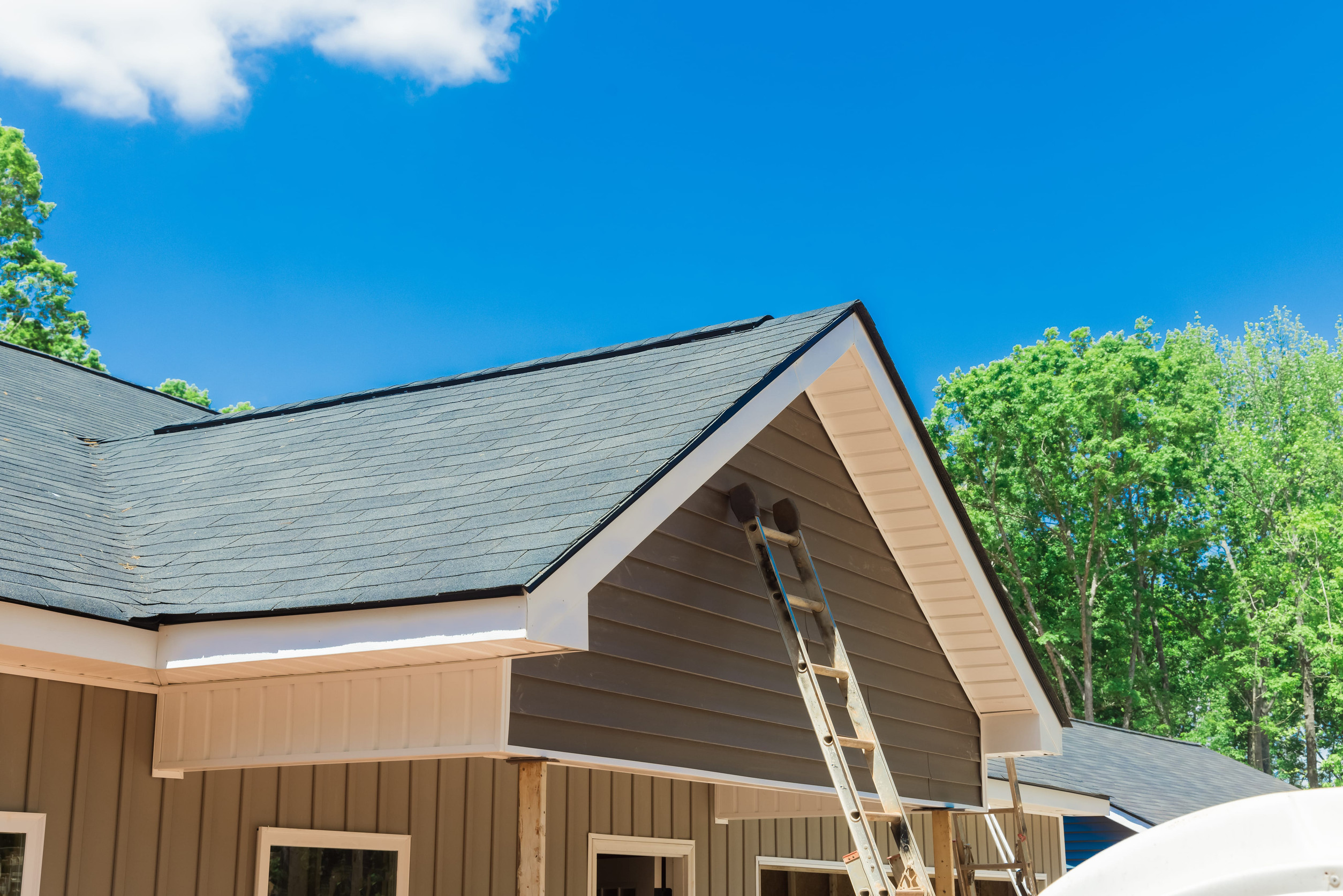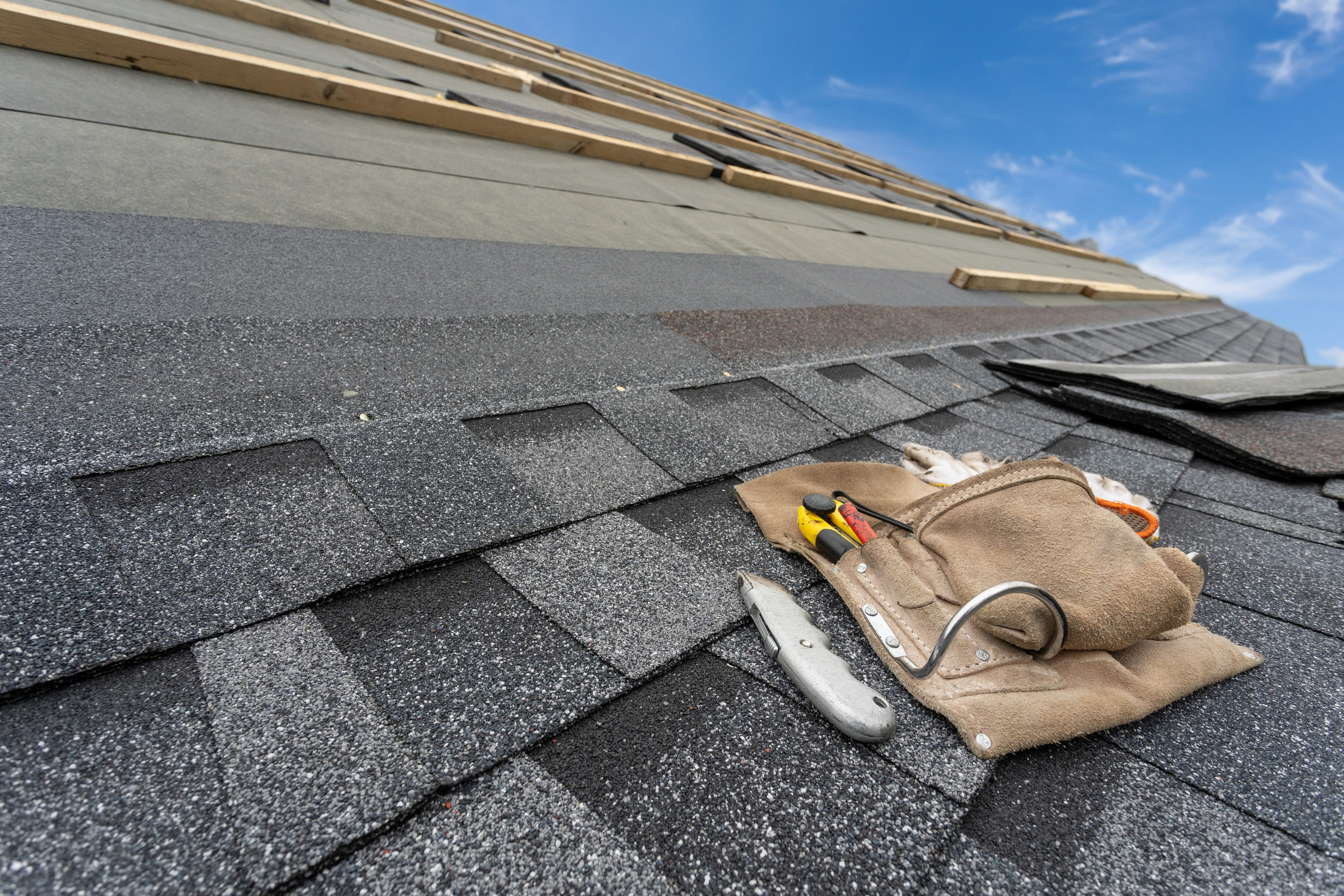
Replacing a roof is one of the most significant investments a homeowner will make. While asphalt shingles remain the most popular residential roofing material across North America—protecting over 80% of homes—navigating the replacement process can feel overwhelming. Between estimating modern material costs, understanding labor requirements, and coordinating installation logistics, homeowners need clear, unbiased data to make informed choices.
This guide breaks down every aspect of replacing an asphalt shingle roof, including expected project timelines, step-by-step installation sequences, up-to-date pricing models, and strategies to maximize long-term return on investment.
1. The Complete Project Timeline: From Assessment to Final Audit
A standard residential roof replacement involves far more than just the days workers spend on your roof. The full lifecycle spans pre-construction planning, active installation, and post-installation inspections.
+-----------------------------------------------------------------------------------+
|                            ROOF REPLACEMENT LIFECYCLE                             |
+------------------------------------+-----------------------+----------------------+
| Phase 1: Pre-Construction          | Phase 2: Construction | Phase 3: Post-Install|
| (1 to 3 Weeks)                     | (1 to 3 Days)         | (1 Day)              |
+------------------------------------+-----------------------+----------------------+
| • Roof inspection & measurement    | • Site protection     | • Grounds magnetic   |
| • Material selection & quote       | • Tear-off & deck     |   sweep              |
| • Permitting & HOA approval        |   repairs             | • Final quality      |
| • Delivery of dumpsters & shingles | • Underlayment &      |   inspection         |
|                                    |   shingle install     | • Warranty submission|
+------------------------------------+-----------------------+----------------------+
Pre-Construction Phase (1 to 3 Weeks)
Before a single shingle is removed, crucial administrative and logistical tasks must be completed:
- Inspection and Scope Definition (1–3 Days): A professional inspector measures square footage, checks slope pitch, evaluates attic ventilation, and assesses decking integrity.
- HOA & Permitting Approvals (3–10 Days): Municipal building codes often require structural permits before tear-off. If your property is governed by a Homeowners Association (HOA), architectural reviews may take up to two weeks. Reviewing local roof replacement permits and local building codes ensures your project complies with municipal rules before work begins.
- Material Delivery (1–2 Days Prior): Dumpsters, protective tarping, underlayment rolls, and shingle pallets are staged on-site.
Active Construction Phase (1 to 3 Days)
For a standard single-family home (2,000 to 3,000 square feet), active tear-off and installation typically take 1 to 2 days. Complex architectural designs, steep pitches (8/12 or higher), or multiple stories can extend active work to 3 days.
For a deeper dive into how square footage, weather, and pitch impact completion times, refer to our comprehensive roof replacement timeline guide.
Post-Construction Phase (1 Day)
- Ground Clean-Up: Crews perform magnetic sweeps across lawns and driveways to catch stray roofing nails.
- Quality Audit & Warranty Filing: The project manager performs a multi-point inspection on ridge vents, flashing seals, and pipe boots before submitting manufacturer warranty paperwork.
2. Seasonal & Weather Impact on Installation
Asphalt shingles rely on thermal activation. The self-sealing adhesive strips on each shingle require ambient heat and UV exposure to bond securely to the layer below. Extreme cold or wet weather can significantly affect installation quality and schedules.
To learn how seasonal demand affects regional contractor pricing and crew availability, check out our analysis on the best time of year to replace a roof.
3. Step-by-Step Installation Process
Installing an asphalt shingle roof requires a precise sequence of protective layers. Skipping a single step can lead to hidden leaks, premature rot, or voided manufacturer warranties.
1.Property Protection & Site Setup:
Phase 1.Crews lay heavy-duty tarps over landscaping, flower beds, outdoor furniture, and AC units. Catch-nets or plywood sheets are placed along walls and windows to catch falling debris during tear-off.
2.Complete Tear-Off & Decking Inspection:
Phase 2.Old shingles, felt, and valley metal are stripped down to the bare wooden decking (plywood or OSB). Workers inspect for rotted boards, sagging rafters, or water stains. Compromised decking sheets are cut out and replaced.
3.Drip Edge & Leak Barrier Installation:
Phase 3.Metal drip edges are installed along the eaves to direct water away from fascia boards. Self-adhering ice and water shield (a thick rubberized asphalt membrane) is laid in vulnerable areas like eaves, valleys, rakes, and around chimney flashing.
4.Synthetic Underlayment Application:
Phase 4.A water-resistant synthetic underlayment is rolled across the remaining exposed roof deck, overlapping seams by at least 2 to 4 inches. Synthetic underlayment offers superior tear strength and water barrier performance compared to traditional organic felt paper.
5.Starter Shingles & Main Field Application:
Phase 5.Specialized starter shingles with pre-applied adhesive are nailed along eaves and gables to resist high wind uplift. Field shingles (architectural or 3-tab) are then laid from bottom to top using galvanized roofing nails driven precisely along the manufacturer's nail line.
6.Flashing, Ventilation, & Ridge Caps:
Phase 6.Step flashing is woven into wall intersections, counter-flashing is sealed against masonry, and rubber pipe boots are secured over plumbing vents. Ridge vents are cut at roof peaks to allow warm, humid attic air to escape, then capped with specialized hip and ridge shingles.
7.Final Clean-Up & Inspection:
Phase 7.Tarps are folded, trash dumpsters are hauled away, and magnetic rollers sweep driveways, walkways, and lawns for stray nails. A quality manager verifies ridge cap tightness and flashing seals.
4. Asphalt Shingle Types & Material Comparisons
Not all asphalt shingles offer the same performance or lifespan. Choosing the right material depends on your local climate, budget, and desired aesthetics.
          3-TAB SHINGLES                  ARCHITECTURAL SHINGLES              LUXURY / HIGH-IMPACT
+----------------------------------+ +----------------------------------+ +----------------------------------+
| - Single layer flat design       | | - Multi-layer dimensional look   | | - Extra thick composite look     |
| - 60-70 mph wind rating          | | - 110-130 mph wind rating       | | - Class 4 impact resistance      |
| - Lifespan: 15-20 years          | | - Lifespan: 25-30 years          | | - Lifespan: 30-50 years          |
| - Lowest upfront cost            | | - Best value & popularity       | | - Premium architectural appeal |
+----------------------------------+ +----------------------------------+ +----------------------------------+
1. 3-Tab Shingles (Basic)
- Design: Flat, single-layer shingles cut into three uniform tabs.
- Wind Resistance: Rated up to 60–70 mph.
- Expected Lifespan: 15 to 20 years.
- Best For: Budget-conscious projects, rental properties, or mild weather climates.
2. Architectural / Dimensional Shingles (Mid-Grade)
- Design: Multi-layered, laminated construction that creates a rich, textured, wood-shake appearance.
- Wind Resistance: Rated up to 110–130 mph.
- Expected Lifespan: 25 to 30 years.
- Best For: Most primary residences. They account for roughly 80% of all residential replacements due to their optimal balance of durability, wind protection, and price.
3. Premium / Class 4 Impact-Resistant Shingles (High-End)
- Design: Extra-thick, heavy-duty asphalt reinforced with polymer modifiers (SBS) to absorb hail strikes without cracking.
- Wind Resistance: Rated up to 130+ mph.
- Expected Lifespan: 30 to 50 years.
- Best For: Regions prone to severe hail, heavy windstorms, or extreme heat cycles. Often qualifies homeowners for annual home insurance premium discounts.
5. Cost Breakdown for Asphalt Shingle Roof Replacement Today
Roofing projects are priced by the "roofing square" (1 roofing square = 100 square feet of roof surface area). Keep in mind that roof surface area is always greater than your home's ground footprint due to slope pitch, roof overhangs, and garage extensions.
National Average Cost Range
- Average Cost per Square: $450 to $750 installed.
- Typical Total Project Cost (2,000 sq. ft. roof / 20 Squares): $9,000 to $15,000.
Cost Breakdown by Home Size & Material Grade
Where Does Your Money Go? (Expense Allocation)
+-----------------------------------------------------------------------+
|                    ROOF REPLACEMENT COST ALLOCATION                   |
+-----------------------------------------------------------------------+
| Labor & Disposal (45-55%)   | Material Components (35-45%) | Overhead/Permit|
|                             |                              | (10%)          |
| • Tear-off labor            | • Field shingles             | • Permit fees  |
| • Skilled installation crew | • Underlayment & ice shield  | • Dumpsters    |
| • Debris hauling & disposal | • Flashing, boots, ridge caps| • Insurance    |
+-----------------------------+------------------------------+----------------+
Key Factors Influencing Total Price
- Roof Pitch (Slope): Roofs steeper than a 6/12 pitch require safety harnesses, staging scaffolding, and slower walking movement, increasing labor costs by 15% to 35%.
- Decking Replacement: If water leaks have rotted the underlying plywood, sheets must be replaced. Plywood or OSB decking typically adds $75 to $120 per sheet installed.
- Complex Structural Features: Dormers, skylights, chimneys, and multiple valleys require custom flashing work, adding to overall labor hours.
- Second-Layer Tear-Offs: If your roof currently has two layers of old shingles, removing both layers adds $30 to $50 per square in labor and dumpster weight fees.
6. Warranties and Long-Term Protection
Understanding warranty terms prevents surprise expenses if a storm strikes or materials degrade prematurely. Modern roofing protections fall into two distinct categories:
Crucial Difference: Manufacturer warranties protect you against factory defects in the shingle itself. Workmanship warranties protect you against installer error, such as improper nailing, misaligned flashing, or inadequate ventilation setup.
1. Manufacturer Material Warranties
- Standard Coverage: Most architectural shingles include a 25- to 30-year or "Lifetime Limited" warranty covering manufacturing defects.
- Non-Prorated Period: The most critical window is the initial 10 to 20 years (often called the non-prorated phase), where the manufacturer pays 100% of material costs for defective items. Afterwards, coverage drops annually based on age.
2. Workmanship Warranties
- Contractor Coverage: Issued directly by your installation company, covering labor and installation mistakes.
- Duration: Ranges from 2 years (standard) to 25+ years (offered by elite certified contractors).
- For a clear breakdown of coverage limits, transferability, and certified installer tiers, explore our complete roof warranty coverage options.
7. Maximizing Value & Contractor Selection
When investing in an asphalt shingle roof replacement, working with a certified, fully insured contractor ensures high-quality installation and full warranty protection.
Contractor Checklist
- Valid License & Insurance: Verify active worker's compensation and general liability coverage ($1M+ minimum).
- Factory Certifications: Look for GAF Master Elite, Owens Corning Platinum, or CertainTeed SELECT ShingleMaster designations, which allow contractors to offer extended non-prorated manufacturer warranties.
- Detailed Written Scope: Ensure quotes itemize teardown fees, underlayment type, flashing materials, ventilation upgrades, and debris cleanup.
- No Large Upfront Down Payments: Reputable contractors typically ask for a small deposit (or no money down) until materials are delivered to your property.
To evaluate full-scope replacement options for your home, explore our dedicated professional roof replacement services.
Let Us Simplify Your Roof Replacement
Replacing your roof shouldn't be a stressful or confusing process. At The Roof Resource of East TN, we eliminate sales pressure, high markups, and guesswork by providing fully transparent pricing, top-tier materials, and expert installation crews. Whether you need a simple roof inspection, decking repair, or a complete high-grade architectural shingle replacement, our team is here to protect your home for decades to come.
Ready to explore options for your home? Contact our expert roofing team today to request a comprehensive, zero-pressure estimate tailored to your exact roof footprint.
More Articles

Questions to Ask a Roofer: 20 Must Ask Items Before Signing Today

How to Compare Roofing Quotes: Apples to Apples Price Guide Today

Drip Edge Installation: Why Code Requires It in Many Areas Today in East TN

Best Roof Sealants for Leaks: Which Products Actually Last Today