Skylights are a magnificent architectural feature, flooding interior spaces with warm natural light and creating an airy, open atmosphere. However, because a skylight is essentially a window cut directly into your home's primary waterproofing plane, it represents one of the most leak-prone areas on any roof.
When water starts dripping from a skylight frame, stained drywall, or ceiling plaster during a rainstorm, taking immediate action is essential. Unchecked water intrusion around a skylight can quickly ruin drywall, destroy attic insulation, and rot underlying wooden roof rafters.
This comprehensive guide covers everything you need to know about skylight leaks today—explaining primary causes, distinguishing between true leaks and interior condensation, outlining step-by-step repair techniques, and helping you decide whether to repair your skylight or invest in a full replacement.
Is Your Skylight Actually Leaking? (Condensation vs. True Water Intrusion)
Before climbing onto your roof or tearing into framing, it is critical to determine whether water is leaking from the outside or accumulating from inside humidity.
+-----------------------------------------------------------------------+
|                 CONDENSATION VS. TRUE SKYLIGHT LEAK                   |
+-----------------------------------------------------------------------+
| INTERIOR CONDENSATION                | TRUE EXTERIOR LEAK             |
| • Occurs in winter / cold weather    | • Occurs during or after rain  |
| • Moisture fogs up glass underside   | • Water drips continuously     |
| • High indoor humidity (kitchen/bath)| • Stains spread into ceiling   |
| • Droplets form on metal/vinyl frame | • Dampness around roof framing |
+-----------------------------------------------------------------------+
Interior Condensation
Skylights act as natural collection zones for rising warm, humid air—especially in high-moisture rooms like bathrooms, kitchens, and indoor laundry areas. During cold weather, warm air hits the cold single-pane or double-pane glass, causing airborne moisture to condense into water droplets. These droplets trickle down the glass onto the interior frame, giving the illusion of an active roof leak.
- How to Fix Condensation: Improve room ventilation by using exhaust fans, operating a dehumidifier, or replacing older single-pane glass with modern insulated, low-E gas-filled glass units.
True Exterior Leaks
If water streams down the interior wall during heavy rainfall, pools in the window channel during melting snow, or creates growing discoloration on adjacent ceiling drywall, you are dealing with a structural roof leak that requires prompt attention.
To understand how skylight openings interact with your overall roofing system during severe weather, explore our comprehensive guide covering the full asphalt shingle roof replacement process.
Top 5 Causes of Skylight Leaks
Skylights leak for a variety of reasons, ranging from simple weathered rubber seals to severe structural flashing failures.
1. Aged or Damaged Flashing
Flashing is the metal perimeter kit (step flashing, sill flashing, and head flashing) that channels water around the skylight frame and down the roof slope. Over time, metal flashing sheets can corrode, shift during thermal cycles, or loosen under heavy winds.
2. Deteriorated Glass Gaskets and Glass Seals
Double-pane skylights rely on rubber or silicone glazing seals to lock the glass panel into the aluminum frame. Decades of direct UV exposure bake these gaskets, causing them to dry out, shrink, crack, and pull away from the pane. Once the seal fails, water seeps directly between the frame and glass.
3. Clogged Debris Traps
Leaves, twigs, pine needles, and moss frequently accumulate behind the upper saddle (head flashing) of a skylight. This organic dam traps water, forcing rainfall to back up under adjacent shingles instead of flowing freely around the window.
4. Poor Initial Installation
If an inexperienced installer relied heavily on caulking rather than woven step flashing and self-adhering membrane underlayment, the skylight is bound to fail prematurely. Tar and caulk dried out by sunlight invariably crack within 3 to 5 years.
5. Melted Ice Dams
In cold winter climates, heat escaping through an uninsulated skylight frame melts snow on the glass above. The runoff refreezes at the colder lower edge of the frame, forming an ice dam that pushes melting water backward under shingles and flashing seams.
When evaluating contractor quotes for skylight or roof repairs, reviewing our guide on how to read a roofing estimate ensures you verify that flashing replacements and membrane underlayment are explicitly included in the scope of work.
Step-by-Step Guide to Diagnosing and Repairing a Skylight Leak
If your skylight is leaking due to minor sealant cracks or debris backup, you can often perform targeted repairs to restore its watertight integrity.
1.Safety Setup & Visual Inspection:Step 1.Set up a stabilized ladder and secure proper fall-protection harness gear. Inspect the skylight glass for hairline cracks, check the rubber glass gaskets for gaps, and look for visible rust spots or loose nails along the surrounding metal flashing.
2.Clear All Trapped Organic Debris:Step 2.Use a soft-bristle brush or plastic putty knife to clear accumulated leaves, pine needles, and moss from the channel behind the top head flashing and side step flashing.
3.Inspect and Reseal Glass-to-Frame Gaskets:Step 3.If the perimeter rubber seal has shrunk or cracked, scrape away the damaged gasket section. Clean the seam thoroughly with isopropyl alcohol, then apply a continuous bead of high-grade 100% silicone or elastomeric glazing sealant along the glass perimeter.
4.Check Step Flashing and Flange Corners:Step 4.Gently lift the shingles bordering the sides and top of the skylight frame. Inspect the metal step flashing cards for rust holes or missing fasteners. Replace damaged step flashing pieces and secure loose flange edges using plastic-capped roofing nails.
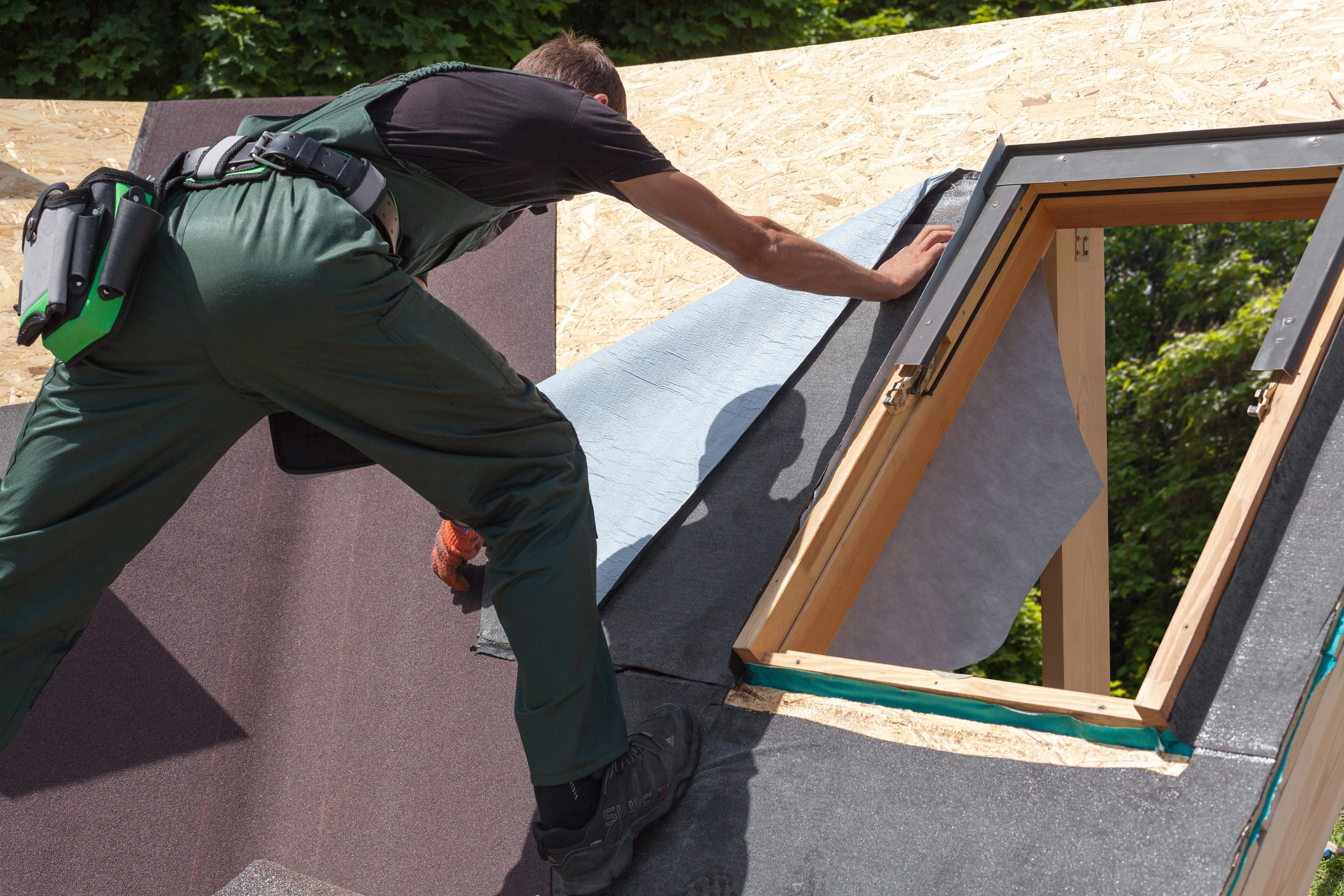
5.Apply Self-Adhering Membrane Shield:Step 5.For additional water protection, apply a strip of self-adhering ice and water shield membrane overlapping the vertical skylight curb flange and the underlying wood roof deck, then lay fresh shingles over the membrane.
If you suspect that water from a leaking skylight has seeped down into your home's framing or insulation, scheduling a thorough attic inspection will help you identify hidden moisture, rotted rafters, or early mold growth before damage spreads further.
The Role of Waterproof Underlayment Around Skylights
Proper underlayment around skylights provides a critical secondary water barrier beneath shingles and flashing kits.
                   SKYLIGHT WATERPROOFING LAYERS

       [ Glass & Aluminum Frame ]
                 |
       [ Metal Step Flashing Kit ]  <-- Primary Water Channel
                 |
       [ Ice & Water Shield ]      <-- Self-Adhering Waterproof Membrane
                 |
       [ Plywood Roof Decking ]    <-- Structural Sheathing
When installing or replacing a skylight, standard felt or basic synthetic underlayment is insufficient along the curb. Building standards require a self-adhering peel and stick ice and water shield wrapped continuously up the vertical side of the skylight curb (at least 6 inches) and extending outward over the roof deck.
To learn more about comparing secondary water barriers for vulnerable roof penetrations, explore our detailed analysis of roof underlayment types and performance differences.
Repair vs. Replace: How to Decide
Not every leaking skylight can—or should—be repaired. In many situations, investing in a complete skylight replacement is far more cost-effective over the long term.
When to Choose Repair:
- The skylight is relatively new (under 10 years old) and structurally sound.
- The glass seal is intact with no fogging or condensation trapped between double panes.
- The leak is clearly isolated to a clogged debris channel or a cracked top caulk bead.
- Flashing metal shows no severe rust, warping, or widespread decay.
When to Choose Replacement:
- The skylight unit is over 15 to 20 years old.
- The double-pane glass seal has failed, resulting in permanent fogging or moisture stains between the glass.
- The wooden frame or surrounding roof deck sheathing is rotted, soft, or mold-infested.
- You are already replacing your primary roof shingles.
Pro Tip for Homeowners: Never install new shingles around an old skylight. The labor required to remove and re-flash an old unit later is nearly identical to installing a new one. Replacing your skylights simultaneously during a re-roofing project saves money on labor and aligns warranty schedules.
If you are weighing localized fixes against broader home improvements, reviewing our guide on repairing versus replacing your roof offers helpful financial frameworks to guide your choice.
Cost Comparison: Skylight Repair vs. Replacement Today
Understanding modern price ranges helps you budget accurately and evaluate contractor quotes with confidence.
Cost Breakdown Matrix
Service LevelAverage Installed Cost RangeWhat Is Included?Minor Sealant & Gasket Repair$250 – $450Clearing debris, scraping old caulk, applying fresh silicone glazing seal.Flashing Replacement Kit$500 – $950Removing surrounding shingles, installing new pre-formed flashing kit, resealing.Complete Skylight Replacement$1,200 – $2,500Removing old unit, repairing deck rot, installing new energy-efficient skylight and flashing.New Skylight Cut-In (No existing opening)$2,500 – $4,500+Framing new roof opening, drywalling interior light shaft, electrical wiring, full installation.
To ensure that contractor proposals present fair, transparent pricing without hidden add-on fees, check out our guide on transparent roofing quotes and fair pricing standards.
Upgrading to Energy-Efficient Modern Skylights
If replacement is necessary, modern skylights offer significant technological upgrades compared to units built 15 or 20 years ago:
- Impact-Resistant Laminated Glass: Modern units feature toughened glass designed to withstand severe hail strikes and heavy falling branches without shattering.
- Low-E UV Coatings: Advanced double-paned glass blocks up to 99% of harmful UV rays, reducing summer heat gain and protecting indoor furniture from fading.
- "Fresh Air" Solar-Powered Venting Skylights: Solar-powered skylights open with a remote control or smartphone app to let warm interior air escape naturally. Many models feature rain sensors that close the window automatically at the first sign of precipitation.
- No-Leak Warranties: Leading manufacturers like VELUX offer comprehensive 10-year installation warranties on flashing systems when installed by certified professionals.
While addressing skylight issues, many homeowners also choose to inspect nearby exterior structures—such as gutters and flashing lines—that handle roof runoff. Installing protective gutter guards ensures that water drains cleanly away from eaves and skylight drainage paths year-round.
Work with Regional Roofing Professionals
Repairing or replacing a leaking skylight requires technical skill, specialized flashing components, and strict safety practices. Incorrectly installed flashing can channel water straight into wall cavities, causing far more damage than an open roof leak.
At The Roof Resource of East TN, we provide complete, transparent roofing solutions—from precision leak repairs and custom flashing replacements to full skylight installations and architectural roof replacements backed by robust warranties. If you need expert assistance with your roof, explore our full range of local roof repair services.
Are you dealing with an active skylight leak or water stains on your ceiling? Contact our expert team today to schedule a thorough inspection and protect your home.
More Articles

Questions to Ask a Roofer: 20 Must Ask Items Before Signing Today

How to Compare Roofing Quotes: Apples to Apples Price Guide Today

Drip Edge Installation: Why Code Requires It in Many Areas Today in East TN

Best Roof Sealants for Leaks: Which Products Actually Last Today