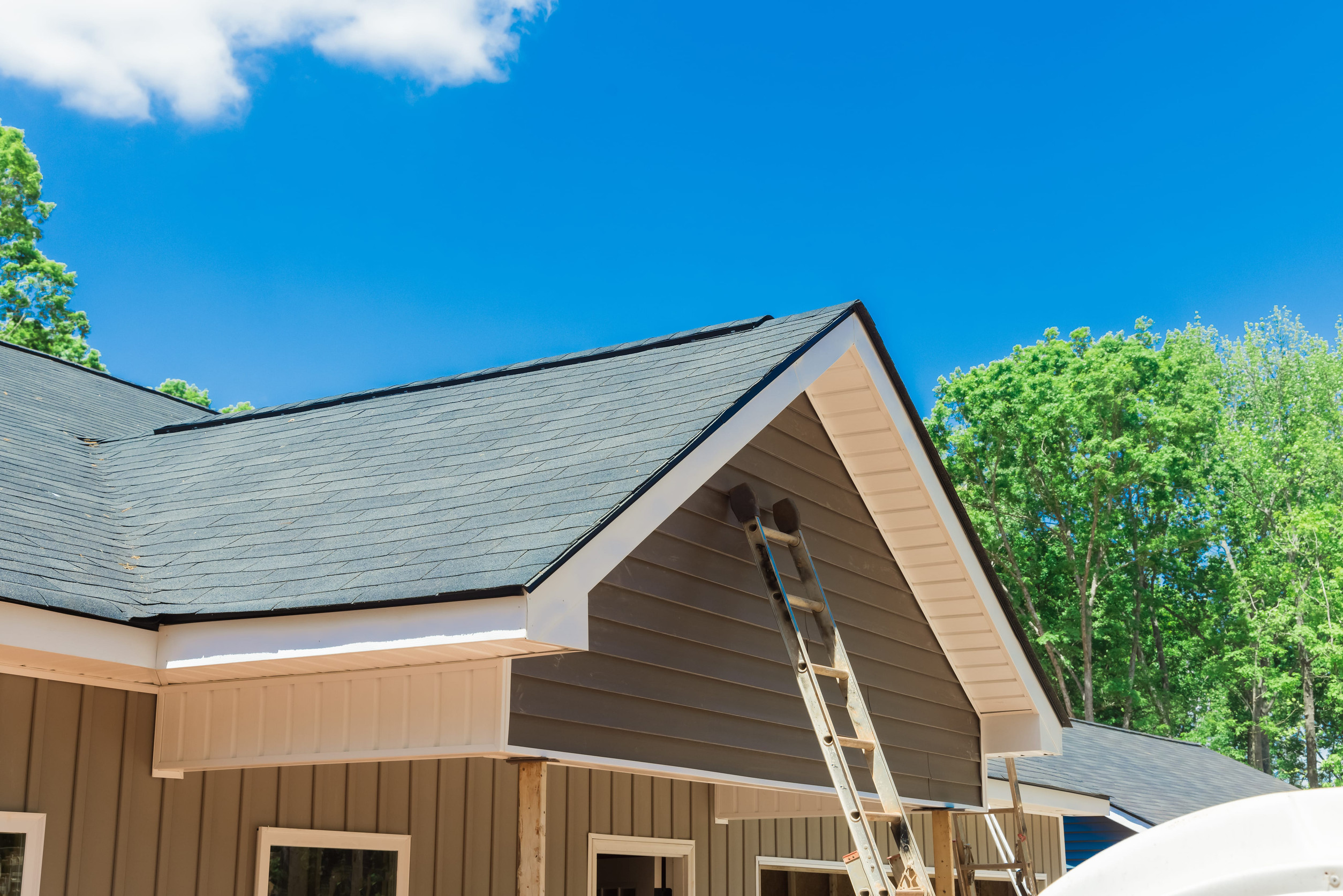
When you think about a roof replacement, asphalt shingles, standing seam metal panels, or cedar shakes are usually what come to mind. However, the most critical element preventing water intrusion into your home isn't the outer material you see from the street—it's the secondary weather barrier lying directly underneath it: roof underlayment.
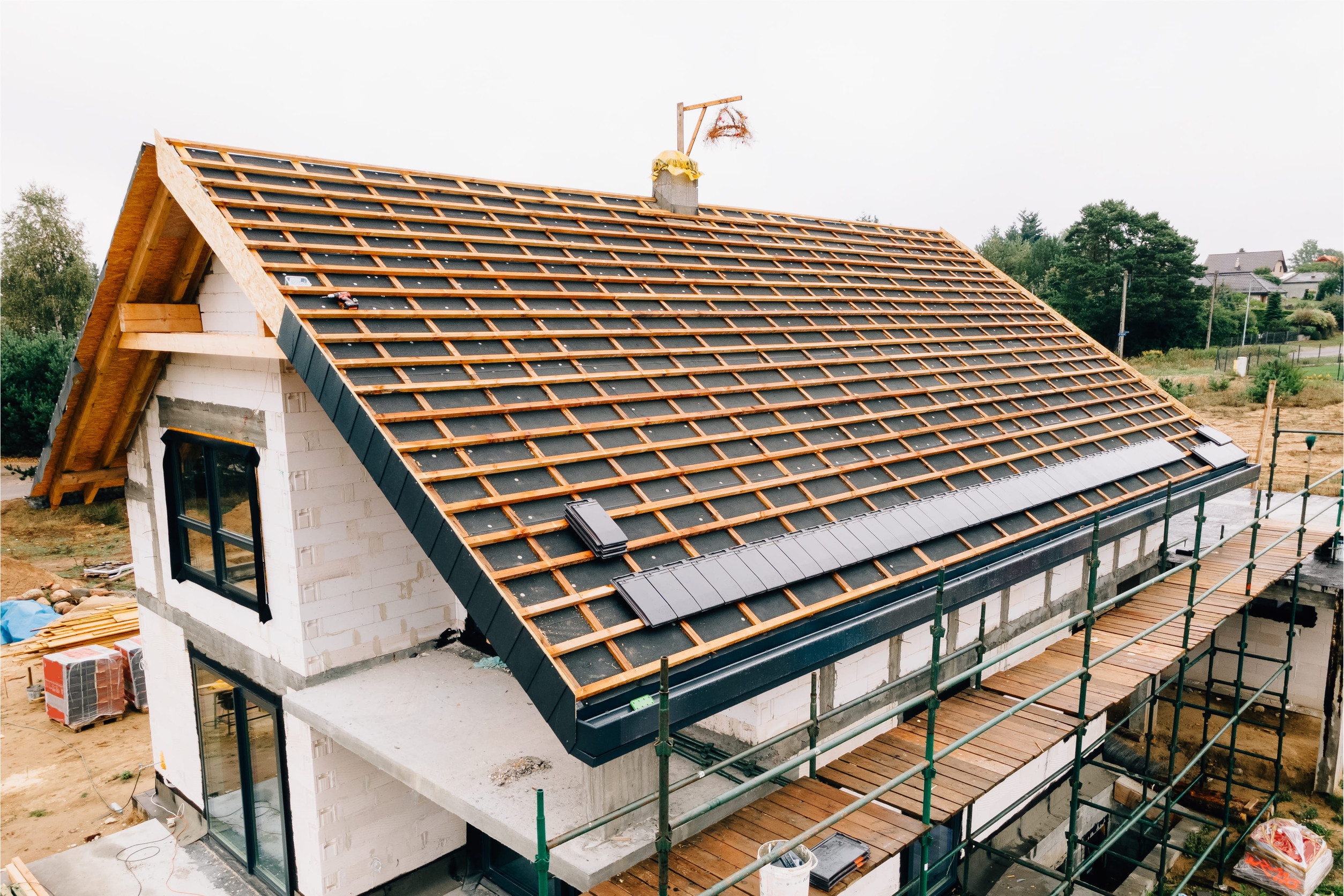
Installed between the bare wooden decking (plywood or OSB) and your primary roofing material, roof underlayment serves as the final line of defense against rain, wind-driven snow, ice dams, and blowout moisture. Skipping or skimping on this component can lead to hidden roof deck rot, interior ceiling leaks, and voided manufacturer warranties.
Today, homeowners and roofing contractors choose between three main categories of underlayment: Traditional Asphalt Felt (Felt Paper), Woven/Non-Woven Synthetic Underlayment, and Self-Adhering Peel and Stick Membranes.
This comprehensive guide breaks down how these three materials perform, comparing their costs, lifespans, waterproofing capabilities, and ideal installation scenarios.
What Does Roof Underlayment Do?
Before comparing materials, it helps to understand why secondary water protection is mandatory under modern building codes. Primary roofing materials like shingles, tile, and metal are designed to shed water down the slope of your roof. However, extreme weather conditions—such as wind-driven rain, atmospheric humidity, ice dam backup, or missing shingles—can force water underneath the surface layers.
+-----------------------------------------------------------------------+
|                    ANATOMY OF A ROOFING SYSTEM                        |
+-----------------------------------------------------------------------+
|  [Shingles / Metal / Tile]   <-- Primary Water Shedding Layer        |
|  [ROOF UNDERLAYMENT]        <-- Secondary Waterproofing Barrier     |
|  [Plywood / OSB Decking]     <-- Structural Roof Sheathing           |
|  [Attic Rafters & Trusses]   <-- Home Framing & Support Structure    |
+-----------------------------------------------------------------------+
Roof underlayment serves three core functions:
- Secondary Waterproofing: Blocks moisture from penetrating the wood decking if primary shingles tear, crack, or blow off during severe weather.
- Deck Protection During Construction: Protects exposed plywood or OSB from rain showers during the active tear-off phase before shingles are installed.
- Barrier Separation: Prevents resin or SAP leaching from wood decking boards from degrading the underside of asphalt shingles.
To understand where underlayment fits into the larger scope of a complete tear-off and re-roofing project, review our guide breaking down the full asphalt shingle roof replacement process.
1. Traditional Asphalt Felt Underlayment (Felt Paper)
Asphalt-saturated felt—often referred to as "black paper" or "felt paper"—has been the standard roofing underlayment for over a century. It is constructed from an organic cellulose (paper fiber) base or fiberglass mat saturated with asphalt for water resistance.
Types of Felt Underlayment
- #15 Felt (15 lb): Thin, light-duty felt historically weighing 15 pounds per 100 square feet. Modern #15 felt actually weighs closer to 7 to 10 pounds per square.
- #30 Felt (30 lb): Thicker, heavy-duty felt offering enhanced tear resistance and longer weather exposure limits before shingle installation.
Performance Profile:
- Water Resistance: Water-resistant, but not 100% waterproof. Prolonged moisture exposure causes organic fibers to absorb water, leading to wrinkling and buckling.
- UV Exposure Limit: Low. Must be covered with shingles within 24 to 48 hours to prevent drying out and curling.
- Tear Strength: Low to Moderate. Easily tears under heavy boot traffic or strong wind gusts during construction.
2. Synthetic Roofing Underlayment
Synthetic underlayment has rapidly replaced traditional felt paper to become the industry standard for residential roofing over the last two decades. Manufactured from woven or non-woven polypropylene or polyethylene polymers, synthetics are lightweight, ultra-durable, and highly water-resistant.
Key Advantages over Traditional Felt:
- Extreme Tear Strength: Synthetic polymers do not rip easily when walked on or exposed to high-wind events during installation.
- Lightweight Efficiency: A single 10-square roll of synthetic underlayment weighs roughly 25 pounds, compared to nearly 130 pounds for equivalent coverage in #30 felt.
- Extended UV Resistance: Premium synthetic underlayment can remain safely exposed to direct sunlight for 30 to 180 days without degrading—an essential feature for large custom homes or weather-delayed projects.
- Slip-Resistant Surfaces: Designed with textured top layers that provide traction for crew members on steep pitches.
When reviewing contract proposals, confirming that your contractor uses high-grade synthetic underlayment rather than cheap felt is a critical line item. Learn more about evaluating quotes in our guide on how to read a roofing estimate.
3. Peel and Stick Underlayment (Self-Adhering Membrane)
Peel and stick underlayment (also called self-adhered or rubberized asphalt ice and water shield) offers the highest level of waterproofing available. It consists of a thick layer of rubberized asphalt or butyl polymer backed by a removable release film.
Unlike felt or synthetic underlayment, which are fastened using plastic-cap nails, peel and stick underlayment adheres directly to the wooden roof deck.
Key Self-Healing Properties:
When a nail penetrates peel and stick underlayment, the rubberized asphalt compound flows around the fastener shank, creating a airtight seal that prevents water from seeping through nail holes.
               NAIL PENETRATION COMPARISON

  [Synthetic/Felt Underlayment]    [Peel & Stick Membrane]
        |    |                          |====|
        |    |  <-- Gap around          |~~~~|  <-- Rubberized compound
        |    |      nail hole           |~~~~|      seals around nail
  ========================        ========================
     Plywood Decking                 Plywood Decking
Critical Application Zones:
Because peel and stick membrane is significantly more expensive than standard underlayment, it is strategically applied to vulnerable areas prone to water collection or ice backup:
- Eaves & Overhangs: Protects against ice dams in freezing winter climates.
- Valleys: High-volume water runoff channels where roof slopes meet.
- Low-Slope Roof Sections: Slopes between 2:12 and 4:12 where water drains slowly.
- Roof Penetrations: Circumferences around chimneys, skylights, plumbing vents, and sidewalls.
Head-to-Head Material Comparison
Cost Breakdown: What Should You Expect to Pay?
Underlayment accounts for roughly 5% to 10% of total material costs in a standard residential re-roofing project, but choosing the right tier impacts long-term protection.
Material Cost Comparison per Roofing Square (100 sq ft)
- #15 / #30 Asphalt Felt: $0.05 to $0.10 per sq ft ($5–$10 per square)
- Standard Synthetic Underlayment: $0.15 to $0.30 per sq ft ($15–$30 per square)
- Self-Adhering Ice & Water Shield: $0.50 to $1.20 per sq ft ($50–$120 per square)
Real-World Example Scenario
For a typical 2,000 sq ft home (20 roofing squares):
- All-Felt Option: ~$150 – $200 total underlayment material cost
- Synthetic Field + Peel & Stick Valleys/Eaves (Industry Standard): ~$500 – $800 total underlayment material cost
- 100% Full-Deck Peel & Stick Protection (High-End / Severe Weather): ~$1,200 – $2,000 total underlayment material cost
To see how underlayment choices affect overall project estimates, review our guide on fair roofing replacement prices.
Matching Underlayment to Roof Pitch and Climate
Not every roof requires the same underlayment configuration. Roof slope (pitch) and regional climate determine minimum code requirements and best-practice recommendations.
1.Steep Slope Roofs (4:12 Pitch and Higher):Tier 1.Water drains rapidly off steep slopes. A combination of synthetic underlayment across the main field and peel and stick membrane in valleys and around penetrations provides complete protection.
2.Low Slope Roofs (2:12 to 4:12 Pitch):Tier 2.Water sheds slowly on low pitches, increasing the risk of wind-driven backup. Building codes typically require either a double-layer of overlap synthetic underlayment or a full layer of self-adhering peel and stick membrane across the entire low-slope surface.
3.Cold Climates Subject to Ice Damming:Tier 3.In freezing climates, snow melts on warm roof sections and refreezes at cold eaves, creating ice dams that back water up under shingles. Building codes mandate installing peel and stick ice and water shield extending from the eave edge to at least 24 inches inside the interior warm wall line.
Breathability, Attic Ventilation, and Mold Risk
A common misconception is that stronger waterproofing is always better everywhere. While peel and stick underlayment creates a 100% watertight seal, it also acts as an absolute vapor barrier that prevents moisture from escaping your home's roof deck.
If warm, humid air rises into an improperly ventilated attic, condensation can become trapped underneath wood sheathing covered by non-breathable underlayment, leading to hidden rot and dangerous mold growth.
                       ATTIC MOISTURE DYNAMICS

       [ Sun / Heat ]                   [ Outside Air ]
             |                                |
   =======================================================  <-- Waterproof Membrane
   [ ROOF DECKING (Plywood) ]
   -------------------------------------------------------  <-- Trapped Moisture Zone
   [ ATTIC INSULATION ]
             ^                                ^
             |                                |
     [ Indoor Humidity ]            [ Warm Attic Air ]
To avoid condensation issues when upgrading your roof underlayment, ensure your roofing proposal includes adequate intake (soffit) and exhaust (ridge) ventilation. You can learn more about assessing your attic's ventilation setup by scheduling an attic inspection.
Warranties and Installation Best Practices
Major shingle manufacturers—such as GAF, Owens Corning, and CertainTeed—require specific underlayment standards to qualify for extended system warranties.
Warranty Best Practices:
- System Matching: Using underlayment produced by the same manufacturer as your primary shingles often upgrades your material warranty from a basic 10-year term to a 50-year non-prorated system warranty.
- Proper Fastener Selection: Synthetic underlayment must be secured using plastic cap nails rather than standard staples. Staples easily tear synthetic sheets during wind gusts, creating water entry points.
- Correct Lap Seams: Horizontal overlaps should measure at least 2 to 4 inches, while vertical end-laps should overlap by at least 6 inches.
For more details on manufacturer warranty requirements, check out our guide comparing manufacturer vs workmanship warranty coverage.
Final Recommendation: Which Underlayment Should You Choose?
- Choose Synthetic Underlayment for the Main Field: It offers far better tear resistance, UV protection, and long-term durability than traditional felt paper for only a modest increase in total price.
- Always Upgrade to Peel and Stick in Vulnerable Zones: Protect your eaves, valleys, sidewalls, and chimney intersections with self-adhering ice and water shield regardless of what field underlayment you choose.
- Skip Basic Felt Paper for Primary Residences: While felt paper works fine for temporary structures or low-budget sheds, its tendency to tear, wrinkle, and degrade makes it an outdated choice for protecting a home.
Partner with Regional Roofing Experts
Installing the right underlayment system is essential to ensuring your new roof lasts for decades without hidden water leaks. At The Roof Resource of East TN, we provide transparent estimate reviews, top-quality synthetic and self-adhering underlayment products, and certified installation standards across every project.
Ready to discuss your upcoming roof replacement or inspect your existing underlayment? Contact our expert roofing team today to schedule a zero-pressure estimate tailored to your home.
More Articles

Questions to Ask a Roofer: 20 Must Ask Items Before Signing Today

How to Compare Roofing Quotes: Apples to Apples Price Guide Today

Drip Edge Installation: Why Code Requires It in Many Areas Today in East TN

Best Roof Sealants for Leaks: Which Products Actually Last Today