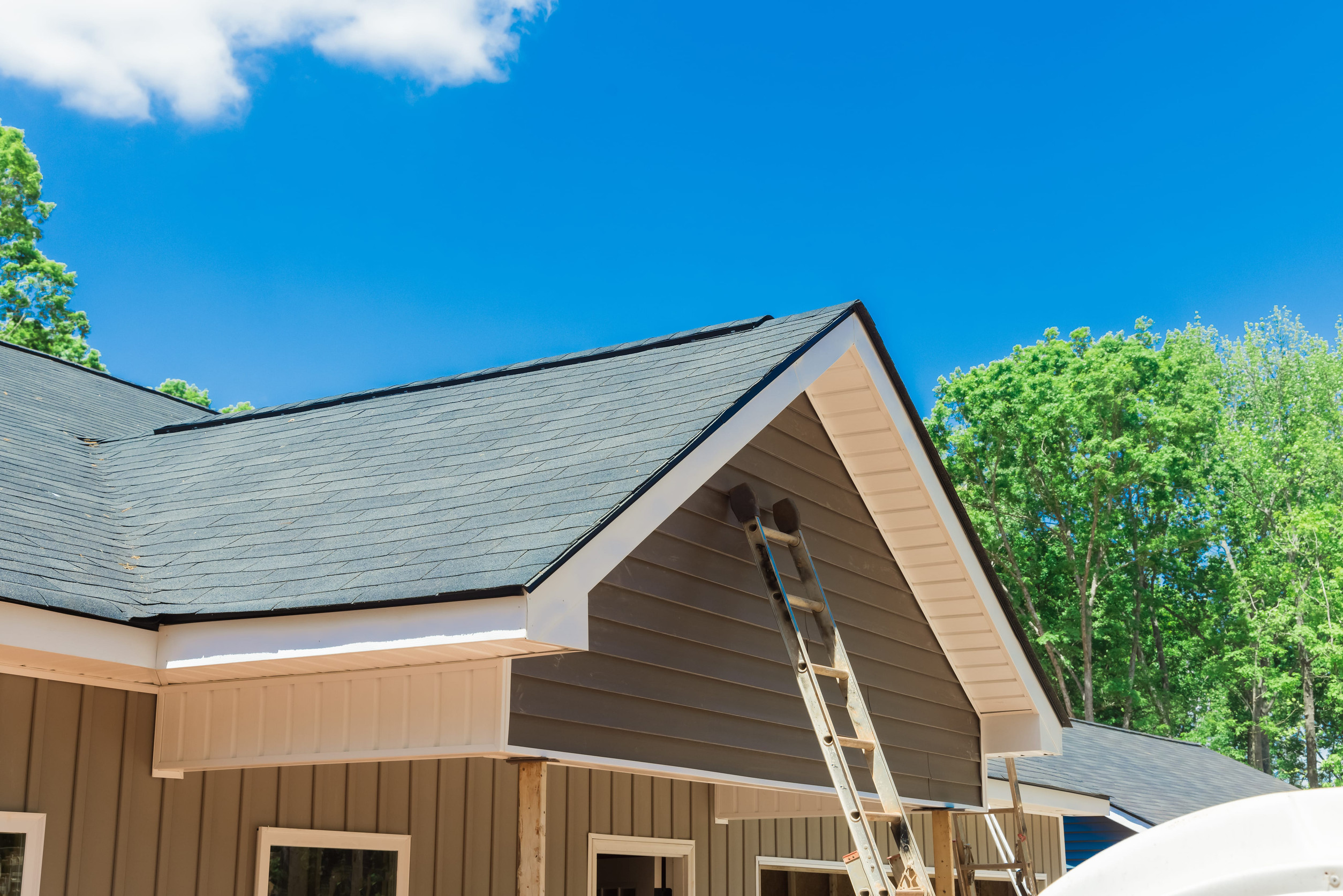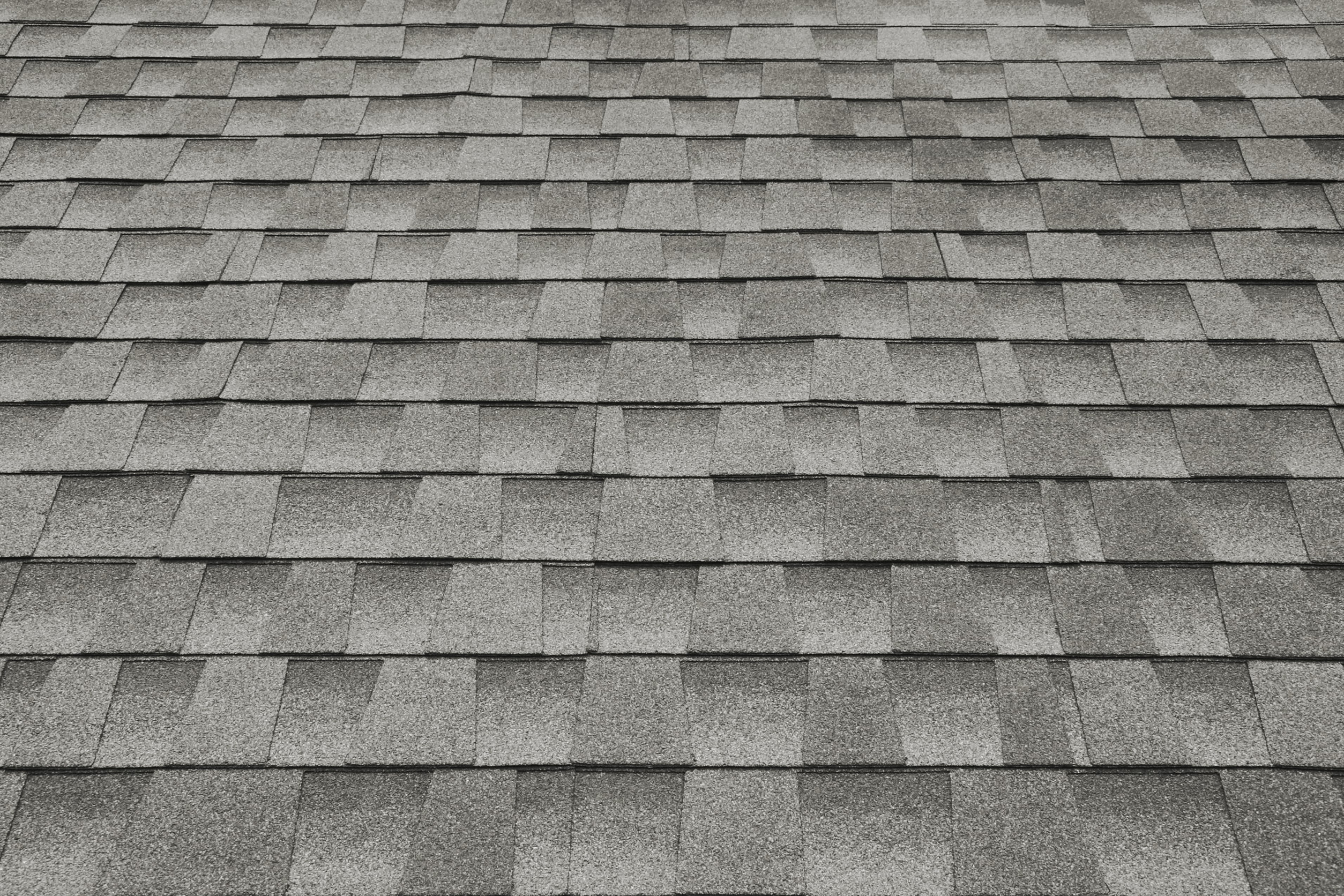
Choosing the right asphalt shingle is one of the most consequential decisions you will make during a residential roofing project. While asphalt shingles protect over 80% of homes across North America, not all asphalt roofs are built the same. The two primary choices dominating the residential market are 3-tab shingles and architectural shingles (also known as dimensional or laminated shingles).
Although both option types utilize asphalt, fiberglass matting, and ceramic granules, their design, structural composition, performance metrics, and aesthetic results differ significantly. Selecting the wrong type can mean higher long-term maintenance costs, lower curb appeal, and early replacement cycles.
This article provides an in-depth analysis of architectural vs. 3-tab shingles across three critical pillars: Price, Looks (Aesthetics), and Longevity (Durability)—helping you make a confident, value-driven choice for your home.
What Are 3-Tab Shingles?
3-tab shingles are the traditional, entry-level standard for asphalt roofing. They get their name from their flat, single-layer construction cut into three uniform tabs along the lower edge.
Key Physical Characteristics:
- Single-Layer Construction: Built on a single fiberglass backing mat coated in asphalt and surface granules.
- Flat Profile: Lacks depth or heavy shadow lines, laying flush against the roof deck.
- Uniform Pattern: Creates a repeating, grid-like pattern across the roof surface.
- Lightweight Material: Weighs approximately 200 to 240 pounds per roofing square (100 sq. ft.).
Historically favored for their affordability and straightforward installation, 3-tab shingles were the dominant choice for mid-20th-century residential developments and remain popular for rental properties, budget-focused builds, and detached structures like sheds or garages.
What Are Architectural Shingles?
Architectural shingles—often referred to as dimensional or laminated shingles—were introduced in the 1970s to replicate the natural, textured appearance of wood shakes or slate slates while utilizing modern asphalt technology.
Key Physical Characteristics:
- Multi-Layer Lamination: Crafted by bonding two or more layers of fiberglass and asphalt together.
- Dimensional Depth: Varied tab shapes and subtle color blends create multi-dimensional shadow lines that mimic luxury roofing materials.
- Heavy-Duty Composition: Weighs roughly 280 to 400 pounds per roofing square—providing significantly higher resistance against wind uplift and severe storm tearing.
- No Cutout Slots: Unlike 3-tab shingles, architectural shingles lack cutouts along the bottom edge, eliminating water pathways and weak points.
Architectural shingles currently represent approximately 80% of all residential roof replacements due to their superior durability, modern style, and strong warranty backing.
Architectural vs 3-Tab: Head-to-Head Comparison
To understand how these two materials compare side-by-side, consider these core technical and financial specifications:
1. Price Comparison: Upfront Cost vs. Total Lifetime Value
When evaluating price, homeowners must distinguish between upfront installation expenses and long-term lifetime value.
+-----------------------------------------------------------------------+
|                    UPFRONT VS. LIFETIME COST SPECTRUM                 |
+-----------------------------------------------------------------------+
| 3-TAB SHINGLES                                                        |
| Low Upfront Cost  ------------------------> High Lifetime Replacement |
| ($350 - $500/sq)                           (Re-roof every 15-20 yrs)   |
+-----------------------------------------------------------------------+
| ARCHITECTURAL SHINGLES                                                |
| Moderate Upfront Cost --------------------> Low Lifetime Overhead     |
| ($450 - $700/sq)                           (Lasts 25-30+ years)        |
+-----------------------------------------------------------------------+
Upfront Material & Labor Expenses
3-tab shingles are cheaper upfront. On average, 3-tab shingle materials cost 15% to 30% less per bundle than architectural shingles.
For a standard single-family home requiring 20 roofing squares (2,000 sq. ft. of surface area):
- 3-Tab Shingle Total Replacement: $7,000 to $10,000
- Architectural Shingle Total Replacement: $9,000 to $14,000
While labor installation hours are similar for both styles, architectural shingles require slightly more physical effort to carry and handle due to their added weight. When reviewing contractor estimates, reviewing transparent roofing quotes ensures you see an itemized breakdown of material costs versus labor and disposal fees.
Annualized Cost & Real ROI
Though 3-tab shingles save $2,000 to $4,000 upfront, their shorter lifespan changes the financial math over time:
$$\text{Annual Cost} = \frac{\text{Total Installed Cost}}{\text{Expected Lifespan (Years)}}$$
- 3-Tab Shingle Annualized Cost: $\frac{\$8,500}{17.5 \text{ years}} = \$485 \text{ per year}$
- Architectural Shingle Annualized Cost: $\frac{\$11,500}{27.5 \text{ years}} = \$418 \text{ per year}$
Because architectural shingles last roughly 10 years longer, they deliver a lower annualized cost over the lifecycle of your home. If you are debating whether your current roof requires localized patching or a complete tear-off, consulting a cost-based guide to roof repair vs replacement can clarify whether material upgrades make economic sense.
2. Looks and Aesthetics: Curb Appeal & Architectural Fit
A roof accounts for up to 40% of a home's visible exterior curb appeal. The aesthetic difference between flat 3-tab and textured architectural shingles is immediately noticeable from the street.
3-Tab Shingles: Clean, Traditional, and Flat
3-tab shingles deliver a geometric, uniform appearance. Because every tab is cut to identical dimensions (typically 12 inches wide by 36 inches long), the finished surface looks flat and ordered.
- Best Architectural Fits: Ranch-style homes, traditional capes, rental units, and modest cottages.
- Design Limitations: Lacks depth or visual variation; can highlight minor subdeck unevenness or sagging rafters due to its flat, light-reflecting surface.
Architectural Shingles: Multi-Dimensional Texture & Versatility
Architectural shingles feature dimensional layering with staggered tabs and subtle color gradient granules. This multi-layered structure creates deep shadow lines that mimic hand-split cedar shakes or natural quarry slate.
- Best Architectural Fits: Craftsman, Colonial, Tudor, Modern Farmhouse, and contemporary multi-story designs.
- Design Strengths: Conceals minor roof deck imperfections, adds rich visual texture, and increases property resale appeal.
Installing premium architectural shingles also delivers a direct boost to property value. Studies show that replacing an aging roof with dimensional shingles yields a strong return at closing. To explore the financial impact on property appraisals, check out our report on return on investment and home resale appraisal value.
3. Longevity, Weather Protection, & Durability
A roof's primary job is keeping water out and withstanding local weather extremes—including severe wind, hail impact, and intense UV cycles.
+-------------------------------------------------------------------------+
|                  WIND RESISTANCE & DURABILITY THRESHOLDS                |
+-------------------------------------------------------------------------+
| 3-TAB SHINGLES                                                          |
| Max Wind Rating: 60 - 70 MPH                                            |
| [=====================>                               ]                 |
+-------------------------------------------------------------------------+
| ARCHITECTURAL SHINGLES                                                  |
| Max Wind Rating: 110 - 130 MPH                                          |
| [=====================================================>]                 |
+-------------------------------------------------------------------------+
Wind Resistance
- 3-Tab Shingles (60–70 mph Max): The cutout slots between tabs allow high winds to catch the underside of the shingle. Category 1 storm gusts (74+ mph) can blow off 3-tab shingles or crease their sealant strips.
- Architectural Shingles (110–130 mph Max): Laminated, solid-backed construction eliminates cutout slots. When installed with proper 6-nail fastening patterns, architectural shingles achieve Class F wind resistance ratings, withstanding Category 3 wind speeds.
Hail Impact & Granule Retention
- 3-Tab Shingles: Thinner asphalt layers mean hail strikes easily fracture the underlying fiberglass mat, leading to premature leaks.
- Architectural Shingles: Double-thick construction absorbs hail impacts far better. Many architectural lines offer Class 4 Impact Ratings (UL 2218 tested), which can qualify homeowners for insurance discounts in hail-prone regions.
Warranty Safeguards
Warranty terms reflect manufacturer confidence in a product's structural performance:
- 3-Tab Warranties: Typically offer 20- to 25-year limited protection with short 3- to 5-year non-prorated periods.
- Architectural Warranties: Typically offer 30-year to "Lifetime Limited" warranties, featuring 10- to 20-year non-prorated coverage.
Understanding the difference between coverage types ensures you are protected if defects or storm damage occur. For a detailed breakdown of coverage terms, explore our complete guide on manufacturer versus workmanship warranty coverage.
Which Shingle Should You Choose?
Choose 3-Tab Shingles If:
- You Have a Strict Upfront Budget: Every dollar matters during construction, and you need the lowest entry price available.
- You Are Roofing an Outbuilding or Rental: The property is a detached garage, garden shed, or temporary investment home where maximum curb appeal is not a priority.
- You Live in a Sheltered Climate: High winds, heavy hail, and severe severe weather events are rare in your geographic location.
Choose Architectural Shingles If:
- You Plan to Stay in Your Home for 10+ Years: You will benefit from the extra decade of service life and lower annualized ownership costs.
- You Want Maximum Curb Appeal & Resale Value: You want rich, dimensional textures that elevate your home's exterior design.
- You Live in a High-Wind or Severe Storm Area: Your neighborhood experiences severe summer thunderstorms, winter cold snaps, or coastal wind gusts exceeding 70 mph.
- Your HOA Requires It: Many modern Homeowners Associations ban 3-tab shingles to maintain uniform neighborhood aesthetic standards.
Step-by-Step Decision Framework
If you are preparing to replace your roof, follow this four-step decision sequence:
1.Check Local Building Codes & HOA Guidelines:Step 1.Verify whether your municipal codes or Homeowners Association mandate specific shingle weights, impact ratings, or visual styles before requesting contractor quotes.
2.Calculate Total Cost Over 30 Years:Step 2.Compare the initial quote for 3-tab shingles against architectural options. Factor in that a 3-tab roof will likely require replacement twice over a 35-year period, whereas architectural shingles will only need to be installed once.
3.Assess Local Weather Exposures:Step 3.If your home sits on an exposed ridge, near water, or in a region prone to severe spring storms, prioritize architectural shingles rated for 110+ mph winds to avoid recurring repair visits.
4.Consult a Certified Local Contractor:Step 4.Schedule an on-site consultation to inspect your roof decking, evaluate attic ventilation, and review physical shingle samples in natural sunlight against your home's siding.
Work with Regional Roofing Professionals
Selecting the right roofing material is only half the battle—proper installation determines whether your shingles reach their maximum engineered lifespan. Improper nail placement, inadequate attic ventilation, or skipped leak barriers can compromise even the highest-grade architectural shingles.
At The Roof Resource of East TN, we partner with homeowners to deliver clear, pressure-free advice, top-tier materials, and expert craftsmanship across every build. To explore complete material options, warranty packages, and installation standards, view our full range of full roof replacement services.
Ready to inspect your current roof or compare actual shingle samples for your home? Schedule a free roof consultation with our expert team today to receive a personalized, itemized estimate.
More Articles

Questions to Ask a Roofer: 20 Must Ask Items Before Signing Today

How to Compare Roofing Quotes: Apples to Apples Price Guide Today

Drip Edge Installation: Why Code Requires It in Many Areas Today in East TN

Best Roof Sealants for Leaks: Which Products Actually Last Today