For most homeowners, the attic is a classic case of "out of sight, out of mind." We use it to store seasonal decorations, old luggage, and family keepsakes, rarely venturing up the pull-down ladder unless absolutely necessary. However, this isolation makes the attic the perfect incubator for a quiet, destructive hazard: toxic mold growth.
Discovering mold in your attic can be a jarring experience. It ruins stored personal belongings, destroys expensive insulation, and degrades structural roof framing. More importantly, because of how air flows through a house, attic mold can severely compromise the indoor air quality of your living spaces downstairs, posing significant health risks to your family.
Preventing and fixing attic mold is not just a matter of spraying a topical cleaner and walking away. It requires a deep understanding of structural moisture dynamics, ventilation architecture, and permanent remediation protocols. This comprehensive guide breaks down exactly why attic mold forms, how it impacts your health and home value, and the steps required to eliminate it permanently.
1. The Core Catalyst: Why Mold Loves Your Attic
Mold spores exist naturally everywhere in the outdoor environment. They are microscopic, lightweight, and completely harmless when floating in well-ventilated, dry open air. However, mold spores require three fundamental ingredients to colonize a surface and grow into a destructive fungal infestation:
- A Food Source: Organic, carbon-based materials (wood, drywall, cardboard boxes, paper insulation backing).
- Optimal Temperatures: Ambient temperatures between 40°F and 100°F.
- Moisture: Relative humidity levels exceeding 55% to 60%, or direct liquid water contact.
Your attic is already constructed entirely out of a mold's favorite food sources—raw plywood sheathing, pine rafters, and paper-faced insulation. The ambient temperature in an attic almost always falls within the optimal growth range. Therefore, moisture is the only limiting factor. If mold is growing in your attic, it means you have an active, ongoing moisture problem that needs to be solved.
2. The Four Common Sources of Attic Moisture
Attic moisture problems typically stem from one of four structural failures. Pinpointing the exact source of water or humidity is the first and most critical step in any successful mold remediation project.
       FOUR REASONS MOISTURE ACCUMULATES IN AN ATTIC

              [Roof Leak / Damaged Shingles]
                            │
                            ▼
     ┌──────────────────────────────────────────────┐
     │              THE ATTIC CAVITY                │ <── Choked Soffit Vents
     └──────────────────────────────────────────────┘     (Traps Humidity)
                            ▲
                            │
            [Exhaust Fans Venting Into Attic]
              (Bathrooms, Kitchen, Laundry)
I. Roof Leaks and Failed Flashing
The most obvious source of attic moisture is direct liquid water intrusion from the outdoors. Over time, shingles blow off, roofing nails back out due to thermal movement, and the protective rubber seals around plumbing stacks degrade. A failed plumbing boot allows rainwater to stream down the exterior of the pipe directly into your ceiling insulation. Because attic spaces are dark and rarely inspected, a slow, minor roof leak can easily feed a massive mold colony for months before a visible stain ever appears on your bedroom ceiling.
II. Improper Exhaust Fan Ducting
A shocking number of homes feature bathroom, kitchen, or laundry exhaust fans that dump air directly into the open attic cavity rather than routing it completely outside the home. Exhaust fans are designed to capture warm, heavily saturated air from showers and cooking areas. When a contractor vents these lines directly into a dark, unconditioned attic, the hot, humid air hits the cold underside of the roof deck. The moisture instantly condenses into liquid water droplets, soaking the plywood and sparking rapid mold growth across the rafters.
III. Inadequate Attic Ventilation
Even if your roof does not leak and your exhaust fans are ducted properly, your attic can still suffer from chronic condensation due to poor airflow. A healthy attic requires a balanced, continuous cycle of fresh air. Cool, dry air should enter through the lower soffit vents along the eaves, pick up ambient heat and moisture, and escape through the exhaust ridge vent at the absolute peak of the roof.
If your soffit vents are choked with blown-in insulation or your ridge vents are structurally blocked, warm, humid air becomes permanently trapped inside the attic. During cold seasonal transitions, this trapped humidity turns into liquid frost or dew along the roof sheathing, creating an ideal environment for mold spores to thrive.
IV. Severe Thermal Imbalances and Ice Damming
During winter, heat escaping from your lower living spaces can warm up the upper regions of your roof deck while leaving the outer eaves completely frozen. This imbalance causes accumulated snow to melt, run down the slope, and refreeze at the cold roof edge, forming a thick ridge of ice known as an ice dam.
Trapped meltwater pools behind this ice barrier and forces its way horizontally underneath your shingles, soaking the structural roof sheathing. When evaluating how these complex seasonal freeze cycles impact your entire roof structure, checking a comprehensive repair or replace your roof cost guide can help you determine whether localized structural venting modifications or a complete system upgrade makes the most financial sense.
3. The Health Risks: How Attic Mold Affects Living Spaces Downstairs
A common misconception among homeowners is that mold contained within an unconditioned attic cannot harm the family members living downstairs. This ignores a fundamental principle of building science known as the Stack Effect.
                   THE STACK EFFECT PATHWAY

                   ▲   [Ridge Vent Exhaust]
                   │
           ┌───────┴───────┐
           │  ATTIC SPACE  │ <── Mold spores pulled upward
           └───────▲───────┘     and pushed through attic hatches
                   │
           ┌───────┴───────┐
           │ LIVING SPACES │ <── High pressure pushes indoor
           └───────▲───────┘     air into the upper levels
                   │
                   │   [Fresh Air Infiltration]
The stack effect describes the natural movement of air throughout a multi-story building. Warm air inside your living spaces naturally rises and escapes through the upper levels of your home, creating a vacuum that pulls cold air in through the lower foundation and crawlspace.
As warm air pushes upward through the attic hatch, recessed can lights, and plumbing chases, it carries airborne attic mold spores along with it. Every time your HVAC system runs or doors open and close, these microscopic spores are pulled directly into your indoor breathing air.
Mycotoxins and Respiratory Distress
Many common strains of attic mold, such as Stachybotrys chartarum (toxic black mold) and Aspergillus, produce chemical byproducts called mycotoxins. When inhaled over long periods, these spores can cause chronic health issues, including:
- Persistent coughing, sneezing, and severe nasal congestion.
- Chronic headaches, unexplained fatigue, and dizziness.
- Severe skin rashes, eye irritation, and throat soreness.
- Acute asthma attacks and long-term respiratory inflammation in children, the elderly, and immunocompromised individuals.
4. Identifying Attic Mold: What to Look For
Catching an attic mold infestation early can save you thousands of dollars in remediation costs and prevent widespread structural damage. If you suspect an issue, grab a flashlight and protective mask, safely climb up your attic access ladder, and check for these warning signs:
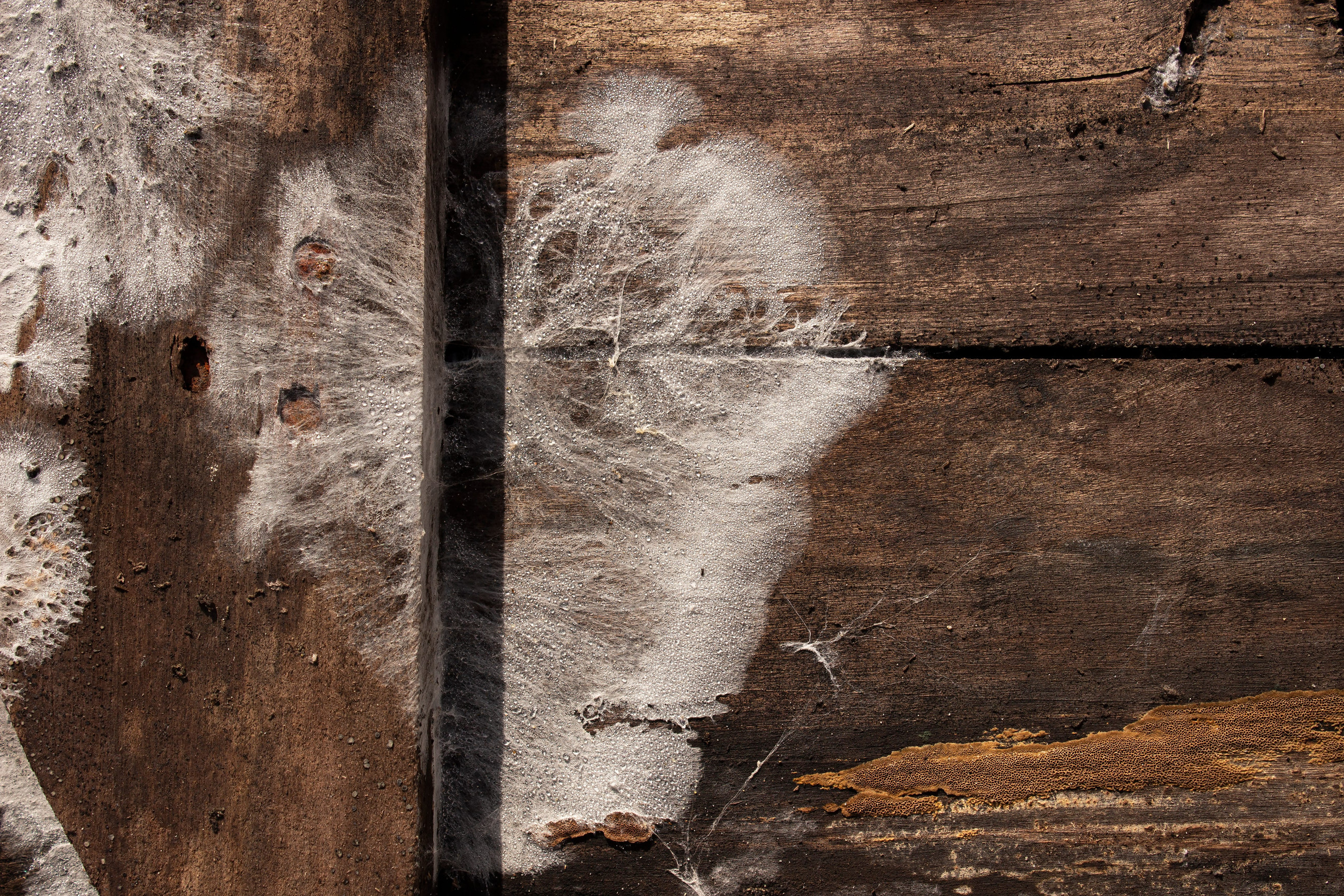
- Dark Discoloration and Staining: Mold rarely looks like a fuzzy green lawn in an attic. It typically presents as widespread black, dark brown, or grey spotting across the raw plywood sheathing. Look closely at the areas surrounding roof penetrations, valleys, and chimney stacks.
- White Powdery Efflorescence: Early-stage mold or fungal wood rot can manifest as a light white, powdery film coating the surface of your pine rafters.
- The "Musty" Smell: If you open your attic access door and are hit with a heavy, damp, earth-like odor that smells like wet dirt or old books, you are likely smelling volatile organic compounds (VOCs) released by actively growing mold colonies.
- Rusted Roofing Nails: Look up at the tips of the roofing nails piercing through the plywood deck. If the tips are heavily rusted or surrounded by dark wood rings, it means your attic humidity is consistently high enough to cause condensation.
5. Active Fixes That Work: The Remediation and Correction Protocol
Spraying bleach on attic mold is a temporary fix that can actually make the problem worse. Bleach is primarily made of water; while its chemical component kills topical surface mold, the water sinks deep into porous wood fibers, feeding the deeply rooted fungal roots beneath.
An effective, permanent fix requires a systematic, professional-grade approach.
Step 1: Fix the Source of Moisture Infiltration
Never spend money cleaning mold until you have completely stopped the moisture driving its growth. If your roof flashing has failed, your shingles are compromised, or your roof decking has begun to rot, you must execute a structural repair immediately.
When choosing a licensed crew to trace hidden water leaks or address compromised roof planes, vetting your options is critical to avoid poor workmanship. Referencing a verified roofing company checklist ensures that your selected contractor holds the proper liability insurance, state licensing, and customer reviews necessary to guarantee code-compliant, watertight results.
Step 2: Establish Source Isolation and Negative Air Pressure
Before treating the mold, you must isolate the attic from your living spaces to prevent cross-contamination.
- Seal off all attic access doors, hatches, and HVAC vents using heavy-duty plastic sheeting and painter's tape.
- Set up a commercial-grade air scrubber equipped with a certified HEPA filter inside the attic space.
- Route a flexible exhaust duct out through an attic gable window or ridge opening to create negative air pressure. This ensures that any air leaking through structural gaps is exhausted outside, rather than being pulled down into your bedrooms.
Step 3: Clean and Abate the Mold Colonies
Once the workspace is safely contained, the physical mold removal can begin. Professional remediation teams typically utilize two core strategies to strip mold from porous wood surfaces:
- Media Blasting (Dry Ice or Baking Soda): This is the gold standard for attic mold removal. Technicians use compressed air to blast specialized dry ice pellets or sodium bicarbonate directly onto the stained wood. The impact instantly freezes and shatters the mold spores, lifting them off the wood fibers without gouging or weakening the structural integrity of the timbers.
- Anik-Microbial Chemical Scrubbing: For localized, minor infestations, technicians use professional-grade biocides or hydrogen-peroxide-based deep-penetration cleaning agents. These advanced solutions sink deep into the wood grain, breaking down the fungal roots without introducing destructive water loads.
Step 4: Apply an Anti-Microbial Encapsulant
After cleaning the wood surfaces, apply a specialized anti-microbial primer or encapsulant (often called mold-resistant coating) over all exposed roof sheathing and rafters. This specialized coating acts like a defensive paint barrier, sealing the wood surface and containing any microscopic trace elements while incorporating active fungicides that prevent new mold spores from taking root if minor humidity spikes occur in the future.
6. Systemic Prevention: Keeping the Mold from Coming Back
Once your attic is completely clean, you must modify its underlying climate control dynamics to ensure the space stays permanently dry.
Correct Exhaust Fan Routing
Verify that every bathroom and kitchen exhaust line in your home runs through a rigid, insulated duct pipe that travels directly to a dedicated exhaust vent cap on your roof or exterior gable wall. Insulating these pipes is crucial; it prevents the warm air inside the duct from condensing as it travels through a cold attic space in the winter.
Clear Blown-In Insulation Obstructions
Take a flashlight to the absolute lowest edges of your roof rafters where they meet your home's exterior walls. If your home has blown-in fiberglass or cellulose insulation, verify that it isn't packed tightly against the roof deck, which blocks your soffit intake vents.
If you find blockages, clear the insulation away and install rigid plastic insulation baffles between the rafters. These baffles create an absolute, unblockable 2-inch airway channel that allows fresh outdoor air to sweep smoothly over your insulation blanket and up into the attic space.
Schedule an Attic and Airflow Assessment
Modifying attic ventilation and insulation distributions requires an accurate assessment of your home's unique layout. If your insulation is uneven, thin, or poorly laid out, it will continue to drive condensation issues.
Scheduling a dedicated attic inspection provides a clear evaluation of your home's insulation depth, vapor barriers, and net free ventilating area, giving you a roadmap for long-term climate control.
7. The Best Strategic Timing for Structural Remediation
If your attic mold issues are tied to a widespread failure of your roofing shingles or an improperly engineered roof line, a comprehensive roof replacement may be necessary alongside your mold mitigation efforts.
Coordinating these large projects during optimal weather windows can help minimize costs and reduce stress. Tearing off a roof during severe winter freezing cycles or intense mid-summer heatwaves can create complications for home ventilation upgrades.
Reviewing our detailed guide on the best time of year to replace a roof will help you time your project during stable weather windows, ensuring competitive labor rates and efficient installation.
8. Preserving Long-Term Real Estate Value
Investing in proper attic moisture control and professional mold remediation does more than clear your indoor air—it protects your home's financial value.
Home buyers and property inspectors look closely at the condition of attic framing. The presence of dark mold staining or compromised roof sheathing is an immediate red flag that can stall real estate transactions or force sellers to accept steep price drops.
Proactively fixing attic moisture issues and maintaining clean structural framing keeps your property in prime condition. For homeowners tracking their long-term equity, understanding how structural upkeep translates to resale power is highly valuable. Explore our analysis on how a new roof adds home value to see how professional climate control and robust structural updates can improve appraisals, increase buyer confidence, and maximize your return on investment.
Summary Reference Table: Resolving Attic Moisture and Mold
By managing attic insulation levels, clearing ventilation channels, and addressing roof leaks early, you can protect your home from mold growth. Whether you handle minor ducting adjustments yourself or partner with a professional crew to clean your roof sheathing, keeping your attic dry and well-ventilated is one of the most effective ways to preserve your property's value and keep your home safe.
More Articles

Questions to Ask a Roofer: 20 Must Ask Items Before Signing Today

How to Compare Roofing Quotes: Apples to Apples Price Guide Today

Drip Edge Installation: Why Code Requires It in Many Areas Today in East TN

Best Roof Sealants for Leaks: Which Products Actually Last Today