Choosing between a metal roof and asphalt shingles is not just a style decision. It is a long-term cost decision that affects replacement cycles, maintenance, energy use, resale value, and sometimes even insurance. The “cheaper” roof up front is not always the cheaper roof over 30 to 50 years.
This guide breaks down what you pay over time, when metal wins, when shingles win, and how to decide based on your home, your climate, and how long you plan to stay.
The short answer
- If you plan to stay 15+ years, metal often saves more long term because it can last decades longer and may prevent an entire extra replacement.
- If you plan to move within 5–10 years, shingles often make more financial sense because the upfront price is lower and you may not recover the metal premium at resale.
- If you live in a harsh climate with frequent hail, high winds, extreme heat, heavy snow, or wildfire risk, metal’s durability can shift the math in favor of metal even sooner.
1) Upfront cost comparison: metal vs shingles
Asphalt shingles: typical installed cost
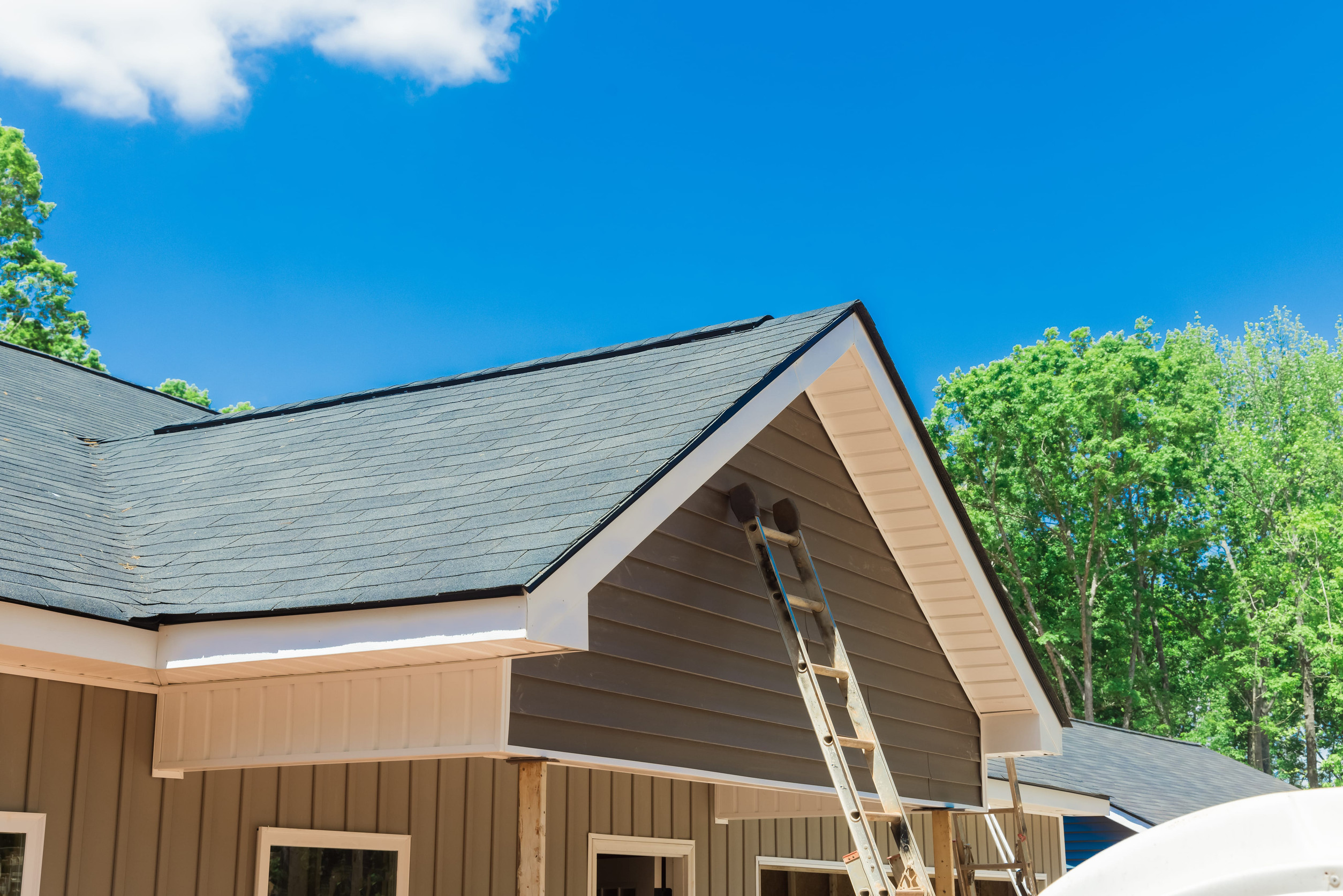
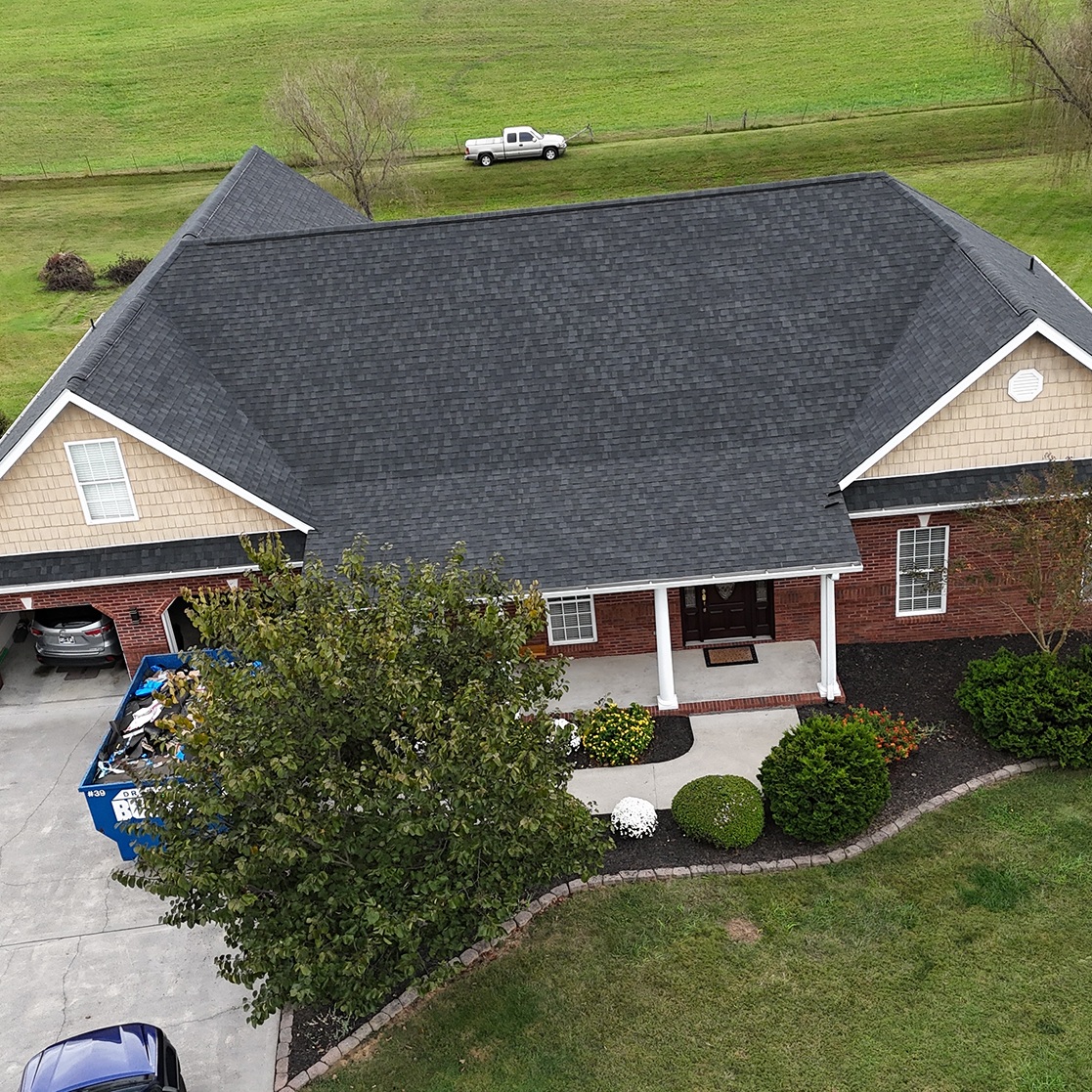
Asphalt shingles are the most common residential roofing choice because they offer a good blend of affordability and reliability. Upfront costs vary widely based on roof size, slope, tear-off requirements, number of penetrations, complexity, local labor rates, and the shingle grade you choose.
In general:
- 3-tab shingles are the least expensive but are being used less often today.
- Architectural shingles cost more but are thicker, often look better, and tend to last longer than entry-level products.
- Luxury or designer shingles cost the most among asphalt options and may narrow the gap with lower-end metal systems.
Metal roofing: typical installed cost
Metal roofing usually costs more upfront due to higher material costs and more specialized installation labor. The “metal roof” category also includes multiple systems with different price points:
- Exposed fastener metal panels tend to be more affordable and are common on barns and some homes.
- Standing seam metal is typically the premium option and can be considerably more expensive due to material type, hidden fasteners, and detailing.
- Metal shingles are another option, often priced between panels and standing seam depending on style and complexity.
Key takeaway: metal usually costs significantly more upfront than asphalt, but that does not automatically mean it costs more long term.
2) Lifespan and replacement cycles: where long-term savings are made
The biggest difference between metal and shingles is how many times you may pay for a full replacement during your ownership. Even if two roofs cost the same over a single 10-year window, they can look very different over 30–50 years.
Typical lifespan ranges
- Asphalt shingles commonly last 15–30 years depending on shingle type, attic ventilation, climate, installation quality, and maintenance.
- Metal roofs commonly last 40–70 years depending on system type, metal type, coating/finish, installation quality, and maintenance.
Why lifespan is not only about the product
A roof’s lifespan can drop dramatically if:
- attic ventilation is poor
- insulation traps heat in the roof deck
- flashing details are done poorly
- gutters overflow and rot fascia/decking
- there is chronic moisture in the attic
- storms repeatedly damage the roof
So when comparing “metal vs shingles,” remember you are also comparing the total system: ventilation, underlayment, flashing, and workmanship.
Key takeaway: If shingles last 20 years in your environment and metal lasts 50, metal can avoid one full replacement cycle, which is often where long-term savings are created.
3) Maintenance and repair: small costs that add up
Asphalt shingles maintenance patterns
Asphalt roofs can be straightforward to repair and are often cheaper to patch in small sections. However, shingles tend to need more periodic attention over time:
- replacing blown-off or cracked shingles
- addressing granule loss and aging
- fixing sealing strip failures
- repairing localized storm damage
- resealing or replacing flashing over time
Metal roof maintenance patterns
Metal roofs are durable, but they are not maintenance-free. Typical long-term items include:
- checking fasteners (especially on exposed fastener systems)
- resealing penetrations over time
- maintaining sealants around flashing
- addressing scratches or finish wear if it occurs
- keeping valleys and gutters clear to prevent water backup
Repairs on metal can sometimes cost more because working with panels and flashing details requires specialized knowledge and sometimes more labor.
Key takeaway: shingles may have more frequent small repairs, while metal may have fewer repairs but sometimes higher repair costs when something does need attention.
4) Energy efficiency: can metal reduce cooling costs?
A roof affects energy use, especially in hotter climates or homes with marginal attic ventilation. Metal roofs can reflect more solar radiation depending on color and coating, which may reduce attic heat gain and cooling load. Shingles can also come in “cool roof” options, but standard dark shingles can absorb a lot of heat.
That said, attic insulation and ventilation often deliver the largest energy impact regardless of roof type. A perfectly installed metal roof on a poorly ventilated attic can still run hot. Meanwhile, a well-ventilated attic with good insulation can perform well even with shingles.
Key takeaway: metal can help with energy performance, but you should treat it as a bonus, not the only reason to choose metal.
5) Durability and storm performance: when climate changes the math
Long-term value depends heavily on where you live.
In hail-prone areas
Metal can perform well, but large hail may dent some metal systems. Shingles can lose granules, crack, or require spot replacement. The “winner” depends on hail size, frequency, roof slope, and product choice.
In high-wind areas
Both systems can do well when properly installed, but wind performance relies heavily on:
- correct fastening
- proper underlayment
- edge details and drip edge
- ridge/hip cap methods
- quality flashing
In heavy snow and ice regions
Metal sheds snow easily, which can be a benefit, but it can also create sudden snow slides that may require snow guards in some situations. Ice dams are more strongly tied to attic heat loss and poor ventilation than the roof covering itself.
In wildfire-prone areas
Metal’s non-combustible nature can be a meaningful advantage. Ember resistance also depends on vents, soffits, and overall attic design.
Key takeaway: if your roof repeatedly takes storm damage, the roof that reduces repairs and premature replacement is often the better long-term financial choice.
6) Resale value: will you get your money back?
Resale value is real, but it is not guaranteed to reimburse the full premium of a metal roof.
Metal may improve marketability and buyer confidence because:
- it signals “long life left”
- it looks premium
- it reduces future replacement worry
Shingles may still be more attractive to many buyers because:
- they are familiar and common
- they offer many styles at lower cost
- buyers may not want to “pay extra” for features they do not understand
Rule of thumb: If you expect to sell soon, shingles usually win on financial return. If you plan to stay long enough to benefit from avoided replacements, metal usually wins.
7) The real long-term cost comparison: a simple example
Let’s use a simplified scenario to show how long-term cost works. These are not exact prices; they illustrate the concept.
Example assumptions
- Shingle roof installed cost today: $12,000
- Metal roof installed cost today: $28,000
- Shingles last: 20 years
- Metal lasts: 50 years
- You plan to stay: 40 years
Over 40 years
Shingles:
- Year 0: $12,000
- Year 20: replace again: $12,000 (future cost likely higher, but we keep it simple)
- Total: $24,000 plus any repairs and maintenance
Metal:
- Year 0: $28,000
- Year 40: likely still in service if properly installed and maintained
- Total: $28,000 plus maintenance, possible repairs, and repaint/coating considerations depending on system
In this simplified model, shingles look cheaper by $4,000 over 40 years, but the moment you add:
- inflation on the second roof replacement
- tear-off and disposal costs
- repair frequency differences
- potential energy differences
- potential insurance differences
the gap can shrink or reverse.
Now change one variable: if shingles last 15 years in your climate rather than 20, you might replace twice within 40 years, and metal begins to look much better.
Key takeaway: lifespan and how long you stay are the two biggest levers in long-term cost.
8) When metal saves more long term
Metal often wins when:
- You plan to stay 15–20+ years.
The longer you stay, the more likely you are to benefit from avoided replacement cycles. - Your climate is hard on shingles.
High heat, intense sun, frequent storms, or hail can shorten shingle lifespan. - You want predictable long-term ownership costs.
Many homeowners value “I do not want to reroof again” more than maximizing the cheapest 10-year plan. - Your home benefits from reflective roofing.
In hot climates, energy savings can improve metal’s payback. - Your roof layout is suitable for metal installation.
Simple roof shapes are easier and less expensive to roof in any material.
9) When shingles save more long term
Shingles often win when:
- You plan to move within 5–10 years.
You may not recover the metal premium at resale. - Your roof is complex.
Multiple dormers, valleys, steep slopes, and custom flashing can increase metal cost significantly. - You want the best short-term value.
Architectural shingles can deliver solid performance at a much lower price. - You can install high-quality shingles with great ventilation.
Many shingle roofs fail early due to installation and ventilation issues rather than the shingles themselves.
10) How to decide in 10 minutes: a practical checklist
Use this quick checklist to decide:
Step 1: How long will you stay?
- Under 10 years: lean shingles
- 15+ years: metal becomes more attractive
Step 2: What is your climate stress level?
- frequent hail or wind events
- intense sun or heat
- heavy snow and freeze cycles
If yes, metal gains value.
Step 3: What roof system are you comparing?
Be specific:
- entry-level shingles vs standing seam metal is not a fair “value” comparison
Compare apples to apples: - architectural shingles vs exposed fastener metal
or - premium shingles vs standing seam
Step 4: What is the roof complexity?
The more complex your roof, the higher the labor cost in both systems, but metal detailing can increase cost faster.
Step 5: What matters most to you?
- lowest upfront cost
- lowest long-term ownership cost
- lowest maintenance and repairs
- best look
- highest durability
There is no wrong answer, but clarity here prevents regret later.
Final verdict
Metal roofs usually save more long term when you plan to stay in the home long enough to benefit from their longer lifespan and reduced replacement cycles. The premium you pay today can buy you decades of durability and may eliminate the need for another full roof replacement.
Shingles often save more in the short to medium term and can be the smarter financial choice if you plan to move sooner, or if you want a lower upfront cost while still getting reliable performance.
If you want, tell me your home size, roof pitch, number of stories, and your general area in Tennessee, and I can give you a simple long-term cost model with two scenarios: “10-year owner” and “25-year owner,” so you can see which option wins for your situation.
More Articles

Questions to Ask a Roofer: 20 Must Ask Items Before Signing Today

How to Compare Roofing Quotes: Apples to Apples Price Guide Today

Drip Edge Installation: Why Code Requires It in Many Areas Today in East TN

Best Roof Sealants for Leaks: Which Products Actually Last Today